1. The Hidden Industry Crisis: Why Most Shops Fail at Tungsten Alloy Machining
In 2026, procurement and design teams face a universal unsolved headache when sourcing tungsten heavy alloy components: mainstream general CNC shops treat tungsten like stainless steel or aluminum, triggering mass scrap, extended lead times and hidden tool replacement costs. Industry data shows ordinary machine shops hit a 10%–15% scrap rate during tungsten alloy processing, primarily from edge chipping, subsurface microcracks and grain pull-out defects caused by incorrect feeds, speeds and fixture designRettek.
Pure tungsten is notoriously brittle at room temperature, but even tungsten-nickel-iron heavy alloys still carry high abrasiveness and low fracture toughness. Many suppliers skip specialized carbide tooling, rush roughing cuts or use rigid vise clamping that fractures dense blanks mid-process, forcing buyers to rework quotes and delay medical radiation shielding, aerospace balance weight and industrial X-ray equipment launches.
This pain gap is exactly what the dedicated Tungsten Alloy Machining service at ProtoTech Machining addresses. Unlike generic CNC providers, we build exclusive cutting workflows tailored for high-density tungsten alloys, eliminating avoidable scrap while maintaining tight dimensional tolerances down to ±0.05mm. This deep dive unpacks our unique anti-crack machining system, standardized cutting parameters and cross-industry application advantages you cannot get from standard metal fabricators.
2. Tungsten Alloy vs Pure Tungsten: The Critical Machinability Divider
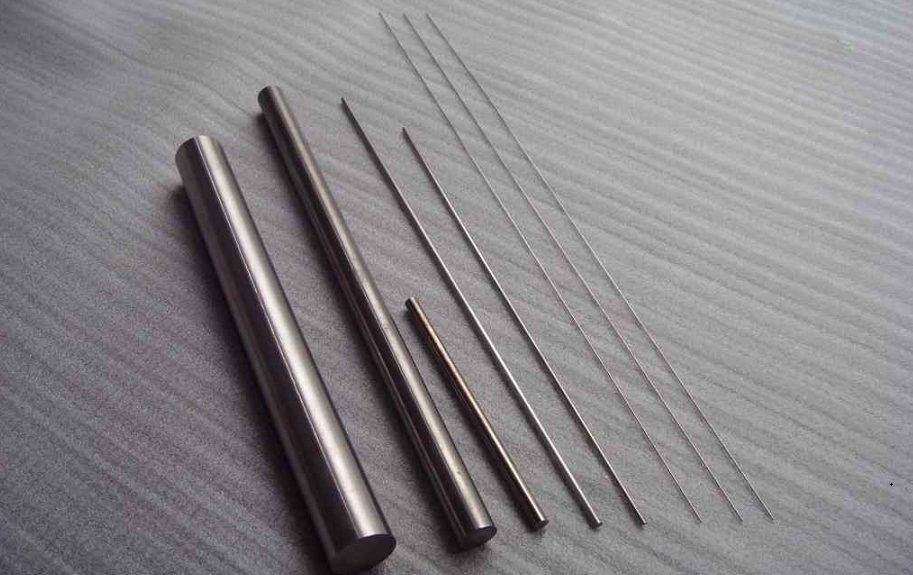
A common costly design mistake engineers make is conflating pure tungsten and sintered tungsten heavy alloys (WHA). Their machining performance differs drastically, directly impacting project budgets and yield rates:
| Material Type | Core Machining Flaws | Optimal Tool Grade | Typical Scrap Risk | Best For ProtoTech Process |
|---|---|---|---|---|
| Pure Tungsten | Severe brittleness, grain pull-out, thermal microcracks | PCD diamond tools only | 20%+ | EDM + precision grinding |
| W-Ni-Fe Tungsten Alloy | High abrasion, edge breakout on exit cuts | C-2 carbide inserts | Under 3% | CNC turning & 5-axis milling |
Tungsten heavy alloys bind hard tungsten grains inside ductile nickel-iron matrices, adding limited plastic deformation capacity that eliminates the glass-like fragility of 100% pure tungsten blanksChina VMT. This means Tungsten Alloy Machining can utilize conventional CNC lathes and mills without full diamond tool setups, slashing hourly processing fees by nearly 40% compared to pure tungsten fabrication. Our engineering team automatically separates pure tungsten and alloy orders into independent production cells to avoid cross-contamination of tool libraries.
3. Specialized Processing Solutions on ProtoTech Tungsten Alloy Machining
The service page’s core competitive edge lies in three proprietary process adjustments that resolve tungsten’s inherent machining weaknesses, unavailable from general CNC vendors:
3.1 C-2 Grade Carbide Tool Standardization
We exclusively deploy C-2 heavy-duty carbide cutters for all tungsten roughing and finishing, resisting the extreme abrasive wear that dulls standard HSS or cheap carbide tools within dozens of passes. Dull tools create stress concentration zones that spawn invisible subsurface microcracks—critical failure points for radiation shielding parts requiring full density integrityBOONA.
3.2 Low-Stress Step Roughing & Gentle Finishing Feeds
Instead of aggressive deep cuts that shock brittle tungsten blanks, our CAM programmers split material removal into staged shallow roughing passes, paired with ultra-light finishing feed rates listed in our official design guideline table. This eliminates edge chipping on holes, chamfers and thin wall features common in collimator and isotope container components.
3.3 Custom Soft Fixture Padding for Dense Blanks
Tungsten alloy’s ultra-high density creates concentrated clamping pressure. We line all vises and chucks with copper soft jaws to distribute holding force evenly, preventing blank fracture during heavy stock removal—one of the top failure modes reported by our industry clients before switching to ProtoTech.
All tungsten alloy turning, drilling, boring and milling operations are completed on our live-tool CNC lathes and 5-axis milling centers, with post-process plating, painting and passivation handled in our in-house Surface Finishing workshop for one-stop delivery.
4. Standardized CNC Cutting Parameter Table for Zero Micro-Cracks
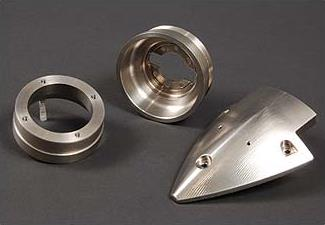
Sourced directly from the design guidelines on our tungsten alloy service landing page, this parameter chart eliminates trial-and-error testing for design engineers and CAM teams:
| Machining Operation | Surface Speed (sfpm) | Rough Cut Depth | Finishing Cut Depth | Recommended Feed Per Tooth |
|---|---|---|---|---|
| Tungsten Turning Roughing | 250–350 | 0.030–0.125 in | N/A | 0.008–0.015 in |
| Tungsten Turning Finishing | 200–280 | N/A | 0.010–0.030 in | 0.003–0.005 in |
| 3/5-Axis Milling | 75–750 | 0.050–0.200 in | 0.010–0.030 in | 0.003 in |
| Precision Drilling | 100–200 | Controlled peck depth | N/A | Low feed peck cycle |
This fixed parameter set balances material removal efficiency with stress control, keeping dimensional tolerance stable between ±0.05mm to ±0.125mm for all tungsten alloy batches. Our engineers share this chart for free during every RFQ’s DFM analysis phase to help clients tweak thin-wall or small-hole designs before production kicks off.
5. How Our Tool & Fixture Strategy Cuts Scrap Rate by 15%+
Most generic machine shops reuse universal tooling across aluminum, steel and tungsten jobs, causing premature edge breakdown and cracked tungsten parts. Our dedicated tungsten production cell operates a segregated tool library solely for heavy alloy processing, with three core waste-reduction mechanisms:
- Pre-Programmed Tool Wear Monitoring: CNC systems auto-trigger tool changes before cutting edges degrade, stopping microcrack generation at the source.
- Coolant Flooding Optimization: High-pressure soluble coolant dissipates extreme friction heat between carbide tools and tungsten grains, avoiding thermal shock cracks on part surfaces.
- Post-Machining Micro-Crack Inspection: Every batch receives visual and dimensional spot checks to detect hidden grain pull-out before surface coating or shipment.
Combined with our no-MOQ policy and scalable production from prototype to 10,000-unit mass runs, clients eliminate costly reorders caused by defective tungsten shielding or balance components. We deliver finished tungsten alloy hardware in as fast as 3 working days, with global warehouse shipping within 5 days for all qualified orders.
6. Cross-Service Synergy: Pair Tungsten Machining With Other CNC Lines
As a full-spectrum precision manufacturer, ProtoTech links Tungsten Alloy Machining with our complete service ecosystem to build full multi-material assemblies without multiple vendor coordination:
- Match Tungsten Shield Parts With CNC Milling Aluminum Housings: Medical radiation boxes often combine dense tungsten inner liners with lightweight 6061 aluminum outer frames, all processed under one roof.
- Pair Micro Tungsten Collimator Pins With Swiss CNC Machining Hardware: Tiny tungsten alloy sensor fittings integrate seamlessly with Swiss-turned brass electrical connectors for X-ray diagnostic equipment.
- Add Integrated Surface Treatment: Nickel plating, black oxide, bead blasting and custom painting improve tungsten’s corrosion resistance for lab and marine radiation gear, eliminating third-party coating delays.
- Combine With Standard CNC Turning Large Shafts: Aerospace counterweight assemblies blend turned tungsten alloy cylinders with steel threaded shafts for satellite vibration dampers.
Consolidating mixed-material assemblies into a single RFQ cuts average overall manufacturing expenses by 30% compared to splitting tungsten machining, milling and finishing across separate suppliers.
7. Exclusive High-Density Tungsten Alloy Application Scenarios
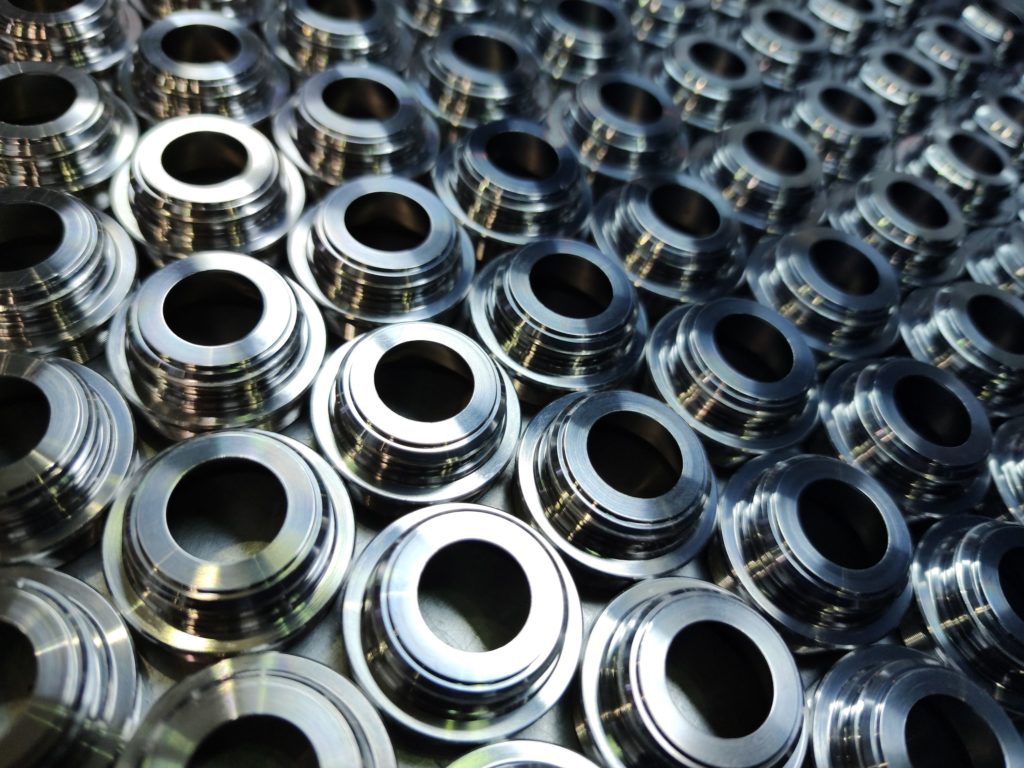
Tungsten alloy’s unmatched density (1.7x heavier than steel, non-toxic lead replacement) creates unique use cases no other metal can replicate—segments where poor machining quality directly impacts product safety and regulatory compliance:
Medical Nuclear Equipment (Top Fast-Growing 2026 Demand)
Gamma radiation shielding containers, radiopharmaceutical dispensing collimators, X-ray machine protective sleeves and isotope transport barrels. Crack-free tungsten alloy is mandatory to prevent radioactive leakage, making our low-scrap machining workflow a regulatory compliance necessity.
Aerospace & Defense Balance Weights
Satellite vibration dampers, aircraft rotor counterweights, missile guidance dense core inserts. Uniform dimensional accuracy eliminates flight balance errors that would occur from uneven tungsten blank machining.
Industrial Non-Destructive Testing (NDT)
X-ray flaw detection collimators, industrial radiation source shielding blocks, high-density calibration test weights. Consistent surface finish ensures precise ray control during material inspection.
Consumer & Lab Precision Hardware
Fluorescent lighting electrode cores, high-temperature furnace fixtures, lab radiation safety shielding panels, miniature vibration balance blocks for optical testing equipment.
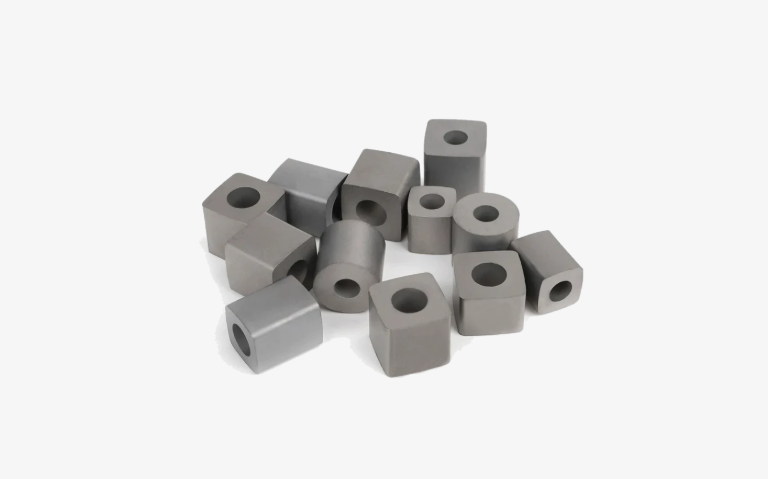
The tungsten alloy part gallery on our service page displays finished shielding blocks and cylindrical balance weights to showcase consistent, chip-free surface results from our specialized CNC workflows.
8. Complete End-to-End Workflow for Tungsten Alloy Parts
- Upload CAD drawings to the ProtoTech Machining homepage RFQ portal, mark tungsten alloy grade, tolerance and shielding/balance functional requirements.
- Our dedicated tungsten engineering team completes free DFM review, shares the official cutting parameter chart and issues a formal quote within 3 hours.
- Segregated tungsten production cell processes blanks using C-2 carbide tooling and low-stress staged roughing cycles.
- Multi-stage in-process inspection checks for chipping, microcracks and dimensional deviation per tungsten alloy tolerance standards.
- Transfer to surface finishing division for plating, painting or passivation if corrosion resistance is required.
- Final batch quality audit, shock-absorbent custom packaging for dense tungsten components and global shipping within 3–5 business days for small orders.
- All shipments covered by our 30-day full refund rework guarantee for non-conforming tungsten alloy parts.
9. Frequently Asked Questions About Tungsten Alloy CNC Machining
Q1 What is the core difference between tungsten alloy and pure tungsten machining difficulty?
Tungsten heavy alloy (W-Ni-Fe) contains ductile binder phases that drastically reduce brittleness, allowing standard CNC turning/milling with C-2 carbide tools. Pure tungsten demands expensive PCD diamond cutters and carries a far higher scrap risk, fully explained on our Tungsten Alloy Machining service page.
Q2 What tolerance can ProtoTech hold for precision tungsten shielding components?
Our standard tolerance window ranges ±0.05mm (0.002”) to ±0.125mm (0.005”) based on part wall thickness and hole geometry; ultra-tight custom tolerances are available for medical collimator critical features upon request.
Q3 Does tungsten alloy machining risk hidden subsurface microcracks?
With generic high-feed aggressive cutting yes, but our staged low-stress roughing, dedicated carbide tooling and coolant flood strategy eliminate nearly all microcrack formation, with spot inspection verifying surface integrity for every batch.
Q4 Can tungsten alloy parts receive plating or paint surface finishes?
Absolutely. After CNC machining, tungsten alloy blanks support nickel plating, black oxide, powder coating and liquid paint to boost corrosion resistance for long-term lab and medical equipment use.
Q5 Is there a minimum order quantity for tungsten alloy machined parts?
No MOQ restrictions apply. We accept single prototype shielding blocks all the way up to 10,000-unit mass production runs for industrial NDT and aerospace OEMs.
10. Final Cost-Saving Design Tips for Tungsten Alloy Drawings
- Avoid ultra-thin walls below 1.5mm where possible; thin tungsten sections raise chipping risk and require slower, costly finishing feeds.
- Specify tungsten heavy alloy (WHA) grades instead of pure tungsten to slash tooling and hourly machining costs by 30%+.
- Share all radiation shielding or balance weight functional notes at RFQ stage so engineers optimize cutting parameters for critical safety features.
- Combine tungsten alloy components with aluminum/steel assembly parts in one RFQ to unlock bundled multi-process volume discounts.
- Reference our official tungsten cutting parameter chart during CAD drafting to design holes, chamfers and cutouts compatible with our low-stress machining cycles.
As demand for lead-free, high-density tungsten alloy components surges across medical, aerospace and industrial NDT sectors in 2026, avoiding scrap, delayed lead times and excessive tool replacement costs relies on partnering with a specialist manufacturer like ProtoTech Machining. Our exclusive anti-crack tungsten alloy CNC workflow, full in-house finishing and cross-process assembly capability deliver reliable, compliant dense metal components unavailable from standard general machine shops. Upload your tungsten alloy CAD files today to receive a customized quotation and free manufacturability analysis in under three hours.