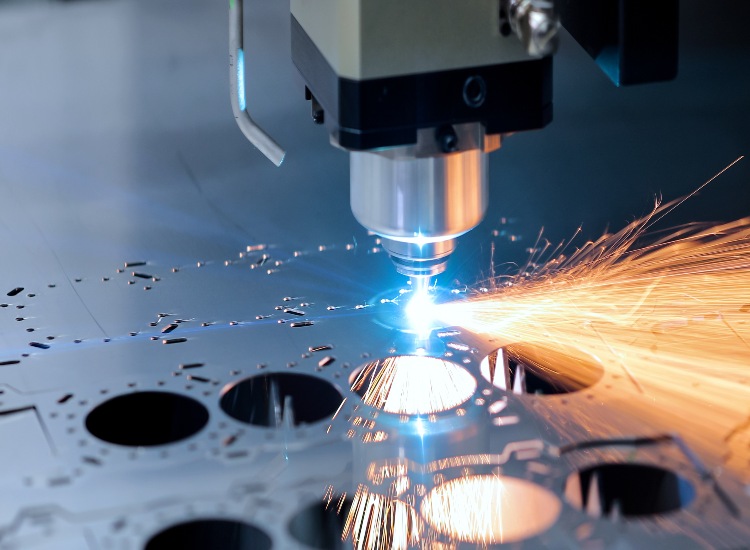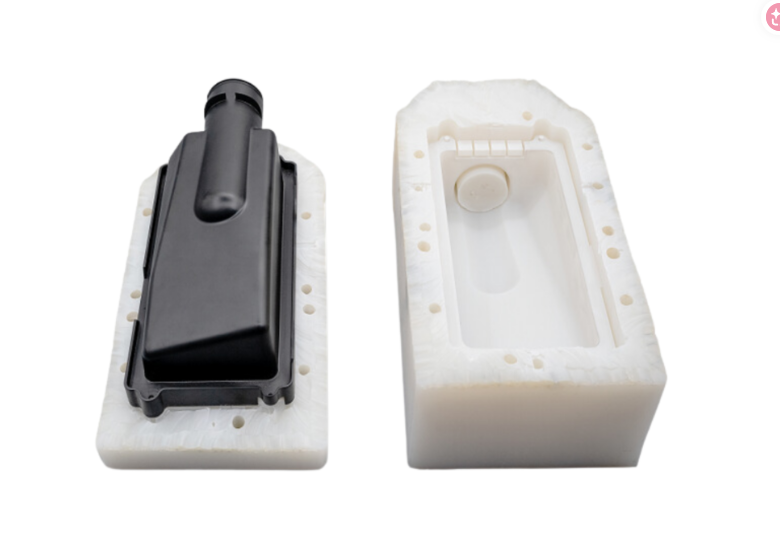
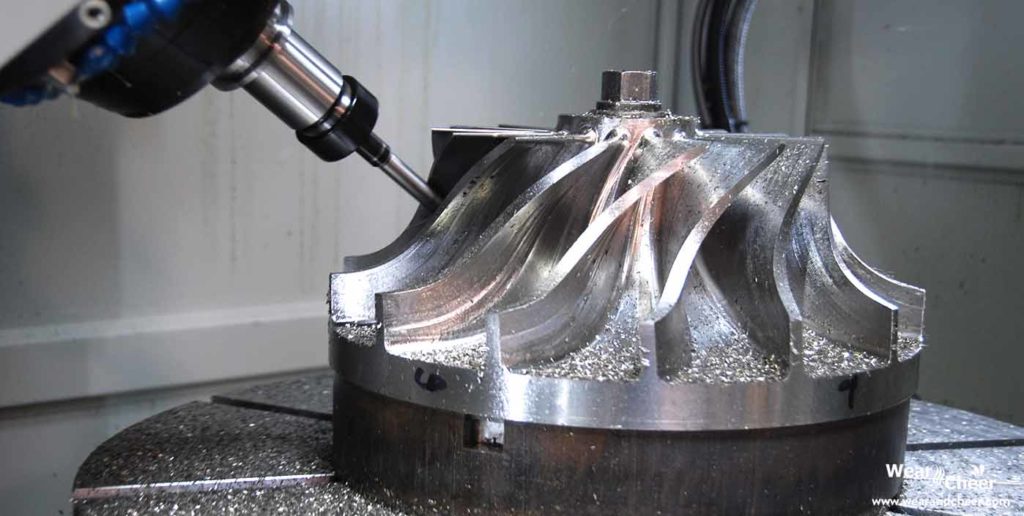
1. Introduction: Why Special Material Machining Is Harder Than Ordinary Metal Machining
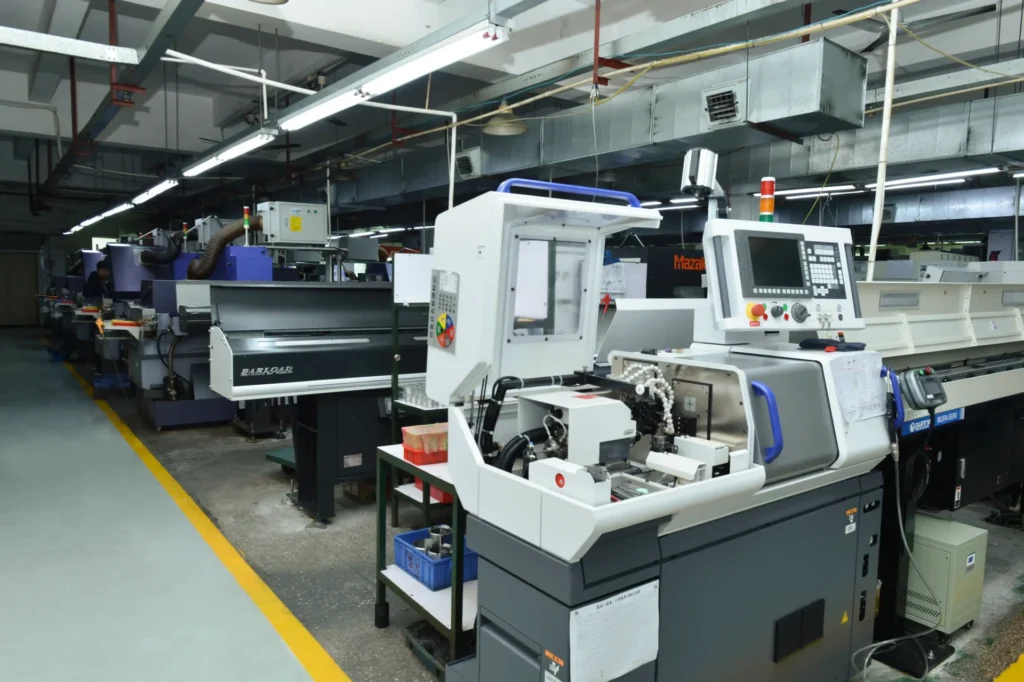
In precision manufacturing industry, aluminum alloy, ABS plastic and ordinary carbon steel belong to easy-to-process conventional materials, which account for most ordinary CNC machining orders. However, with the upgrading of aerospace equipment, medical implant devices, high-end electronic sensors and automotive core power components, more and more projects need to adopt special engineering materials with high hardness, high temperature resistance, corrosion resistance and biocompatibility.
These special materials bring huge machining difficulties: serious tool wear, difficult chip removal, easy workpiece deformation, ultra-high tolerance requirements and strict surface finish standards. Most small and medium-sized machining factories lack professional equipment, mature processing technology and experienced engineers, so they often reject special material orders or produce unqualified parts with high defect rates.
As a professional digital manufacturing platform focusing onspecial material machining, ProtoTech Machining has accumulated rich experience in hard alloy processing for many years. We support full-process customized machining of various difficult-to-cut materials, matching 5-axis CNC machining, Swiss turning and conventional milling processes to meet ultra-precision production demands. This article comprehensively analyzes the difficulties of special material processing, practical solutions and global purchasing tips for engineers and procurement managers.
2. Common Special Materials Used In Modern Industrial Manufacturing
Combined with actual order data of ProtoTech Machining (1,532 active ongoing quotations on average), the top 5 mainstream special materials for customized machining projects are sorted out as follows:
- Titanium Alloy: Light weight, high strength, excellent corrosion resistance and biocompatibility, mainly used for medical implants and aerospace structural parts
- Stainless Steel (304/316/17-4PH): Wear-resistant and rust-proof, widely used in surgical instruments, food machinery and fluid control valves
- Copper & Brass Alloy: Excellent electrical conductivity and thermal conductivity, suitable for electronic conductive terminals and heat dissipation components
- High-temperature Alloy (Inconel, Hastelloy): Stable mechanical performance under high temperature environment, exclusive material for aerospace engine core parts
- Engineering Hard Plastic (PEEK): High strength, high temperature resistance and medical sterility resistance, perfect for non-metal medical structural parts
Different from ordinary materials, all the above materials need customized cutting tools, optimized spindle speed and professional cooling solutions during processing, which cannot adopt universal CNC machining parameters directly.
3. Core Challenges Faced In Special Material Precision Machining
After sorting out thousands of special material processing failure cases from the industry, ProtoTech’s engineering team summarized four core pain points that plague most manufacturers:
3.1 Severe Cutting Tool Wear & High Production Cost
Hard alloys such as titanium alloy and Inconel have strong viscosity and hardness. Ordinary tungsten steel cutting tools will wear rapidly in a short time, resulting in unstable workpiece size and increased tool replacement cost. Improper tool selection is the primary cause of dimensional out-of-tolerance for hard metal parts.
3.2 Easy Thermal Deformation Of Workpieces
Special materials have poor thermal conductivity. A large amount of cutting heat will accumulate on the workpiece surface during high-speed machining, causing thermal expansion and deformation. It is difficult to guarantee micron-level tolerance requirements without layered cutting and segmented cooling processes.
3.3 Strict Dimensional & Surface Finish Requirements
Most special material parts are used in high-end fields such as medical treatment and aerospace. The tolerance is usually controlled within ±0.005mm, and secondary manual polishing is not allowed. One-time forming precision of CNC equipment is extremely demanding.
3.4 Complicated Post-processing Matching
Special metal parts need supporting surface treatments such as passivation, sandblasting, anodizing and electropolishing. Ordinary suppliers cannot match mature post-process solutions, leading to unqualified corrosion resistance and appearance.
4. Material Selection & Machining Parameter Comparison Table
We sorted out targeted machining difficulties, recommended processes and application scenarios for mainstream special materials to help designers quickly select materials and optimize designs before placing orders:
| Special Material Type | Main Machining Difficulties | Recommended Machining Process | Typical Tolerance Standard | Core Application Industry |
|---|---|---|---|---|
| Titanium Alloy | High viscosity, serious tool wear, easy thermal deformation | 5-axis CNC Machining | ±0.003mm | Medical, Aerospace |
| 17-4PH Stainless Steel | High hardness, poor chip removal effect | 3/5-axis CNC Milling | ±0.004mm | Automotive, Mold Parts |
| Copper & Brass | Soft texture, easy burrs, poor positioning | CNC Swiss Machining | ±0.002mm | Electronics, Communication |
| Inconel High-temperature Alloy | Extreme hardness, ultra-high cutting heat | 5-axis Heavy-duty CNC Machining | ±0.005mm | Aerospace Engine |
| PEEK Engineering Plastic | Easy to melt and stick to cutter | Conventional CNC Milling | ±0.005mm | Medical Consumables |
5. How ProtoTech Machining Solves Special Material Machining Pain Points
Different from ordinary machining factories, ProtoTech takes special material machining as one of the core competitive businesses, and solves all processing difficulties from equipment, process, engineer team and quality control four dimensions. Combined with our professional CNC machining service, we provide targeted solutions:
5.1 Professional Custom Cutting Tools & Optimized Cutting Parameters
Our factory is equipped with imported coated cutting tools dedicated to hard alloys. The engineering team has accumulated exclusive parameter databases for more than 20 kinds of special materials, which can reasonably adjust spindle speed, feed rate and cutting depth to reduce tool wear by more than 40% and control production cost effectively.
5.2 Hierarchical Cutting & Constant Temperature Cooling System
For materials prone to thermal deformation such as titanium alloy, we adopt roughing and finishing separated layered cutting technology, equipped with full-automatic oil cooling circulation system to control workpiece temperature in real time, avoiding dimensional deviation caused by thermal expansion.
5.3 27 Online Professional Engineers Provide Free DFM Optimization
Before formal production, our engineers will provide free DFM manufacturability analysis for all special material projects, optimize unreasonable structural designs that increase processing difficulty, reduce production risks in advance, and avoid customer losses caused by design defects. The average quotation response time is only 1 minute 47 seconds, and customers can get complete processing plans within 3 hours.
5.4 One-stop Matching Of Professional Post-treatment Process
We support full supporting post-processes including passivation, vacuum heat treatment, micro-shot blasting, mirror polishing and medical-grade cleaning. All post-processing procedures comply with ISO 9001:2015 and ISO 16949 standards, meeting the surface performance requirements of high-end industrial parts.
6. Main Industrial Application Scenarios Of Special Material Machined Parts
6.1 Medical Device Industry
Medical industry has the highest requirements for material safety and machining precision. ProtoTech processes titanium alloy bone implants, 316 stainless steel surgical instruments and PEEK protective shells. All materials are medical-grade certified, non-toxic and harmless, meeting biocompatibility testing standards.
6.2 Aerospace Industry
Aerospace core parts need to withstand high temperature, high pressure and strong vibration environment. Our 5-axis machining equipment processes Inconel high-temperature alloy engine parts and titanium alloy lightweight structural components, ensuring stable performance in extreme working conditions.
6.3 Precision Electronic Industry
Copper and brass conductive pins processed by CNC Swiss machining have no burrs and high dimensional consistency, which are widely used in 5G communication equipment, sensor components and precision automotive electronic parts.
7. Why Most Ordinary Machining Shops Refuse Special Material Orders
Many procurement managers feedback that most local machining vendors are unwilling to take special material orders after inquiry. The core reasons are summarized as follows:
- High equipment investment cost: Ordinary 3-axis machines cannot complete hard alloy processing, and high-precision 5-axis equipment is expensive
- High raw material risk: Special metal materials are expensive, and factories need to bear loss risks once processing fails
- Lack of technical reserves: No mature processing parameter database, relying entirely on manual debugging with low efficiency
- Long production cycle: Hard material processing takes longer time than ordinary aluminum parts, reducing factory order turnover
In contrast, ProtoTech has long focused on difficult special material processing projects, with mature technology reserves and complete equipment chain, so we can accept small-batch prototype orders and large-scale mass production orders at the same time, with more flexible MOQ than most peers.
8. Complete Order Process For Special Material Machining At ProtoTech
We adopt standardized digital manufacturing process for all hard material customized orders to ensure full transparency of production progress:
- Step 1: Upload CAD files and submit RFQ: Upload your 3D design drawings, mark material type, tolerance, surface treatment and batch requirements online
- Step 2: Free DFM analysis and fast quotation: Professional engineers complete process evaluation within 3 hours, send detailed quotation and design optimization suggestions
- Step 3: Formal production and in-process inspection: Arrange exclusive machine tools for production, and conduct dimensional inspection every 2 hours during processing
- Step 4: Full quality inspection before delivery: Use high-precision coordinate measuring instrument to detect all key dimensions, check surface finish
- Step 5: Safe packaging and global delivery: Adopt shockproof professional packaging for high-precision hard metal parts, support global shipping, and provide 30-day quality guarantee
9. Quality Assurance & After-sales Policy For Hard Alloy Machining Parts
Considering the high cost of special materials and high requirements for parts quality, ProtoTech has launched stricter quality assurance policies for hard material orders:
- Raw material full testing: Each batch of incoming special metal materials will be tested for hardness, composition and performance before warehousing to avoid unqualified raw materials entering production
- Full refund & free rework promise: If parts fail to meet drawing tolerance standards, customers can apply for after-sales service within 15 working days after receiving goods, and we provide free rework, replacement or full refund within 1-3 working days
- Dual certification quality system: The whole production line implements ISO 9001:2015 and ISO 16949 quality management system, suitable for high-standard industrial supply chain procurement
- Overseas localized support: Cooperate with local teams in Germany to provide European customers with time zone-matched technical support and after-sales docking services
10. Conclusion & Free Custom Machining Quote
Special material precision machining is a high-threshold manufacturing field that integrates equipment, technology, engineer experience and quality control. It is never recommended to choose cheap ordinary machining factories for hard alloy parts to avoid huge cost losses caused by unqualified parts.
As a reliable global digital manufacturing platform with outstanding advantages in difficult material processing, ProtoTech Machining supports one-stop customized services from titanium alloy, stainless steel, copper to high-temperature alloy parts. We help global manufacturers save an average of 30% manufacturing costs, with 3-hour fast quotation, 24/7 online technical support and risk-free after-sales guarantee.
Whether you need prototype trial production or mass production of special material parts, welcome to visit our official website to upload design drawings for a free DFM analysis and instant quotation. You can also contact sales manager Ellie via email INFO@PROTOTECH-MACHINING.COM or phone +86-180-2549-6795 for one-on-one technical consultation.