Introduction: Manufacturing Is Entering a New Industrial Era
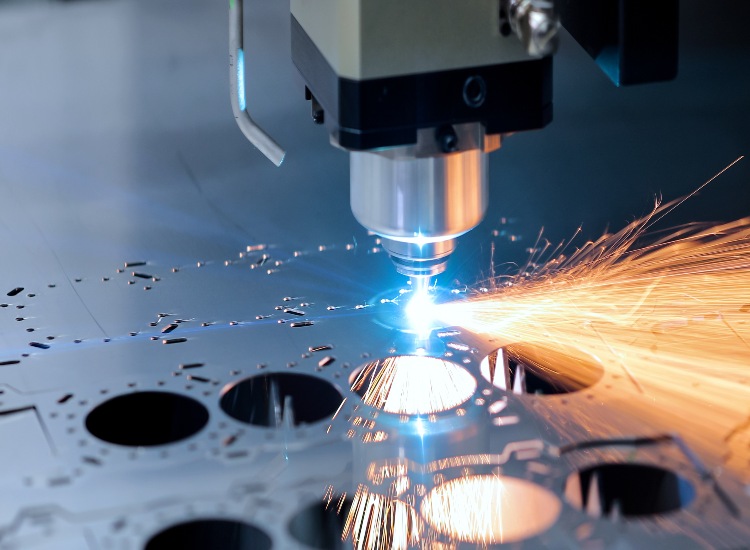
Global manufacturing is undergoing one of its most significant transformations in decades. Traditional mass production models are being replaced by digital manufacturing systems, where speed, precision, and customization define competitiveness.
Companies like ProtoTech Machining are at the center of this transformation, combining CNC machining, additive manufacturing, and digital engineering workflows to meet evolving industrial needs.
In 2026, manufacturing is no longer just about production—it is about innovation speed, design flexibility, and supply chain resilience.
1. The Shift From Traditional Manufacturing to Digital Production
Historically, manufacturing relied heavily on large-scale tooling, long production cycles, and rigid supply chains. Today, the model has shifted toward:
- On-demand production
- Rapid prototyping cycles
- AI-assisted design validation
- Hybrid manufacturing systems (CNC + 3D printing)
This shift allows companies to reduce time-to-market while improving product customization.
Key Industry Drivers
| Driver | Impact on Manufacturing |
|---|---|
| AI & Automation | Faster design optimization |
| Supply Chain Risk | Localized production demand |
| Customization Trend | Small-batch OEM production |
| Sustainability | Reduced material waste |
ProtoTech Machining integrates these trends into its production ecosystem, enabling faster iteration and scalable manufacturing solutions.
2. CNC Machining Remains the Backbone of Industrial Production
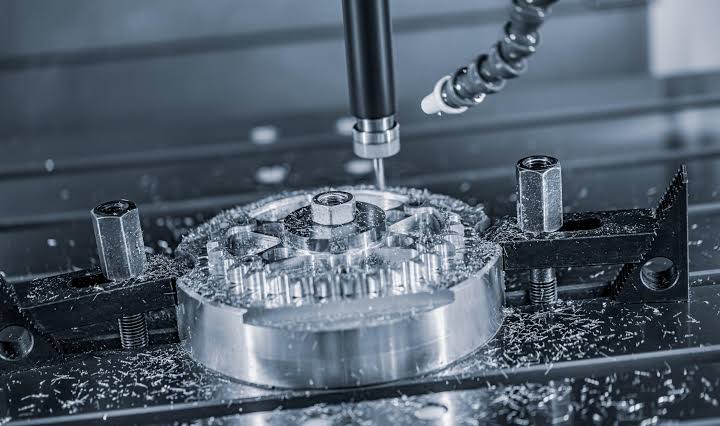
Despite advancements in additive manufacturing, CNC machining remains the core technology for precision components.
Why CNC Still Leads in 2026
- Superior dimensional accuracy
- High repeatability for mass production
- Wide material compatibility
- Strong mechanical performance
Applications of CNC Machining
- Aerospace structural components
- Automotive engine parts
- Robotics precision assemblies
- Medical device housings
- Industrial automation systems
Internal reference:
👉 CNC Machining Solutions → https://prototech-machining.com/services/cnc-machining/
CNC machining is especially critical in industries where tolerance levels are extremely tight and material strength cannot be compromised.
3. Rapid Prototyping Accelerates Product Development Cycles
Rapid prototyping has become a critical stage in modern product design.
Instead of waiting weeks for tooling, engineers can now test designs within days.
Common Rapid Prototyping Methods
- CNC prototype machining
- SLA/FDM 3D printing
- SLS nylon prototyping
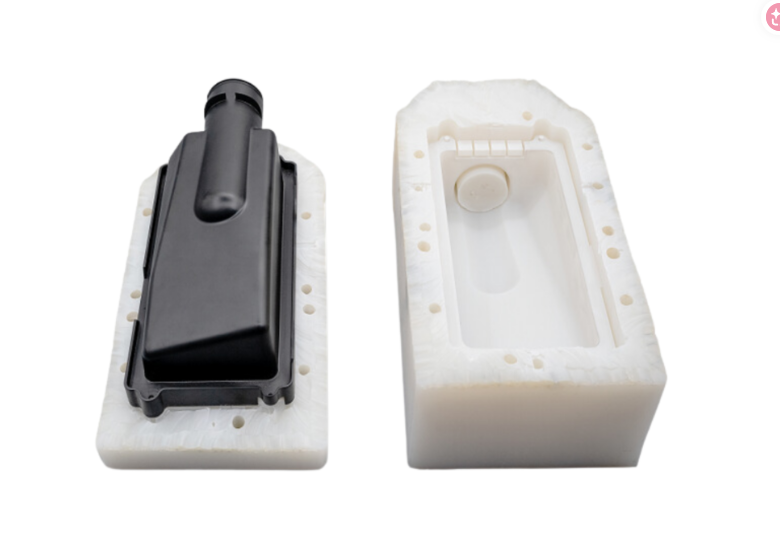
- Vacuum casting for pre-production samples
Benefits of Rapid Prototyping
- Faster design validation
- Reduced development cost
- Early detection of design flaws
- Improved investor presentations
ProtoTech integrates rapid prototyping directly into its production pipeline, allowing clients to move seamlessly from concept to production.
4. 3D Printing Is Reshaping Manufacturing Flexibility
Additive manufacturing is no longer limited to prototyping—it is now a production-ready solution in many industries.
Key 3D Printing Technologies
| Technology | Material Type | Application |
|---|---|---|
| FDM | Thermoplastics | Functional prototypes |
| SLS | Nylon powders | Durable mechanical parts |
| DMLS | Metal powders | Aerospace & medical components |
3D printing allows engineers to create geometries that are impossible or too costly using traditional CNC methods.
5. Hybrid Manufacturing: The New Industry Standard
The most advanced manufacturers now combine multiple production technologies into a single workflow.
Hybrid Model Includes:
- CNC machining for precision parts
- 3D printing for complex geometries
- Vacuum casting for small-batch production
- Surface finishing for final performance
This integrated approach reduces production time and increases design flexibility.
Internal service reference:
👉 Surface Finishing Solutions → https://prototech-machining.com/services/surface-finishing/
6. Industry Applications Driving Demand
Modern manufacturing technologies are being widely adopted across multiple sectors:
Key Industries
- Aerospace engineering
- Automotive innovation (EV components)
- Medical implants & devices
- Robotics & automation systems
- Consumer electronics
- Industrial machinery
Each industry demands a unique combination of precision, scalability, and material performance.
7. Challenges in Modern Manufacturing
Despite technological progress, manufacturers still face key challenges:
- Supply chain instability
- Material cost fluctuations
- Tight regulatory compliance
- Demand for faster production cycles
- Increasing product complexity
Companies like ProtoTech address these challenges through integrated engineering and production systems that minimize bottlenecks.
8. Future Trends in CNC and Precision Manufacturing (2026+)
The next phase of manufacturing evolution will focus on:
- AI-driven CNC programming
- Fully automated smart factories
- Digital twin production systems
- Sustainable low-waste machining
- On-demand global micro-factories
These innovations will redefine how products are designed, tested, and manufactured.
Conclusion: Manufacturing Is Becoming Faster, Smarter, and More Flexible
The global manufacturing landscape is shifting toward a digital-first model where speed, precision, and adaptability determine competitiveness.
With integrated capabilities in CNC machining, rapid prototyping, and advanced manufacturing systems, ProtoTech Machining represents the direction of this transformation.
Businesses that adopt these technologies early will gain a significant advantage in product innovation and global supply chain efficiency.