Introduction: CNC Machining as the Foundation of Modern Engineering
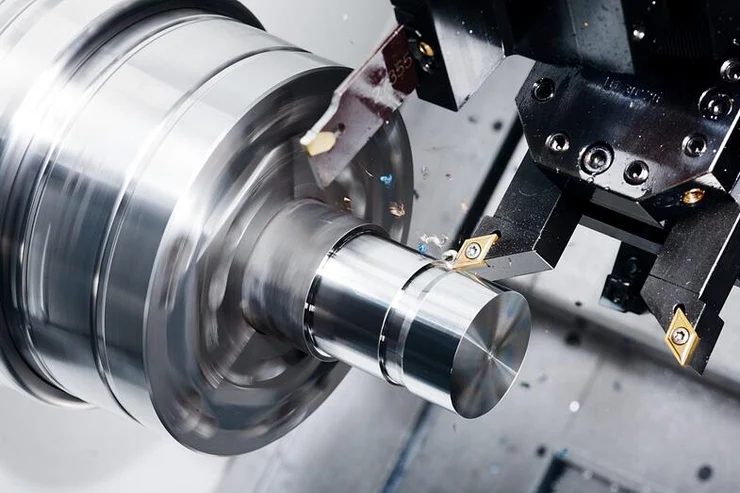
In 2026, CNC machining is no longer just a manufacturing process—it is a core enabling technology behind nearly every high-performance industry.
From aerospace engines to medical implants, CNC machining ensures precision, repeatability, and structural reliability.
Manufacturers like ProtoTech Machining play a critical role in delivering engineered components that meet strict global standards across industries.
This article explores how CNC machining is applied in different sectors and why it remains indispensable in modern industrial production.
1. Aerospace Industry: Precision Where Failure Is Not an Option
The aerospace industry demands extremely tight tolerances and high-performance materials.
CNC Machining Applications in Aerospace:
- Aircraft structural components
- Engine turbine blades
- Landing gear parts
- Fuel system housings
- Avionics enclosures
Why CNC Is Essential:
- High temperature resistance materials (titanium, Inconel)
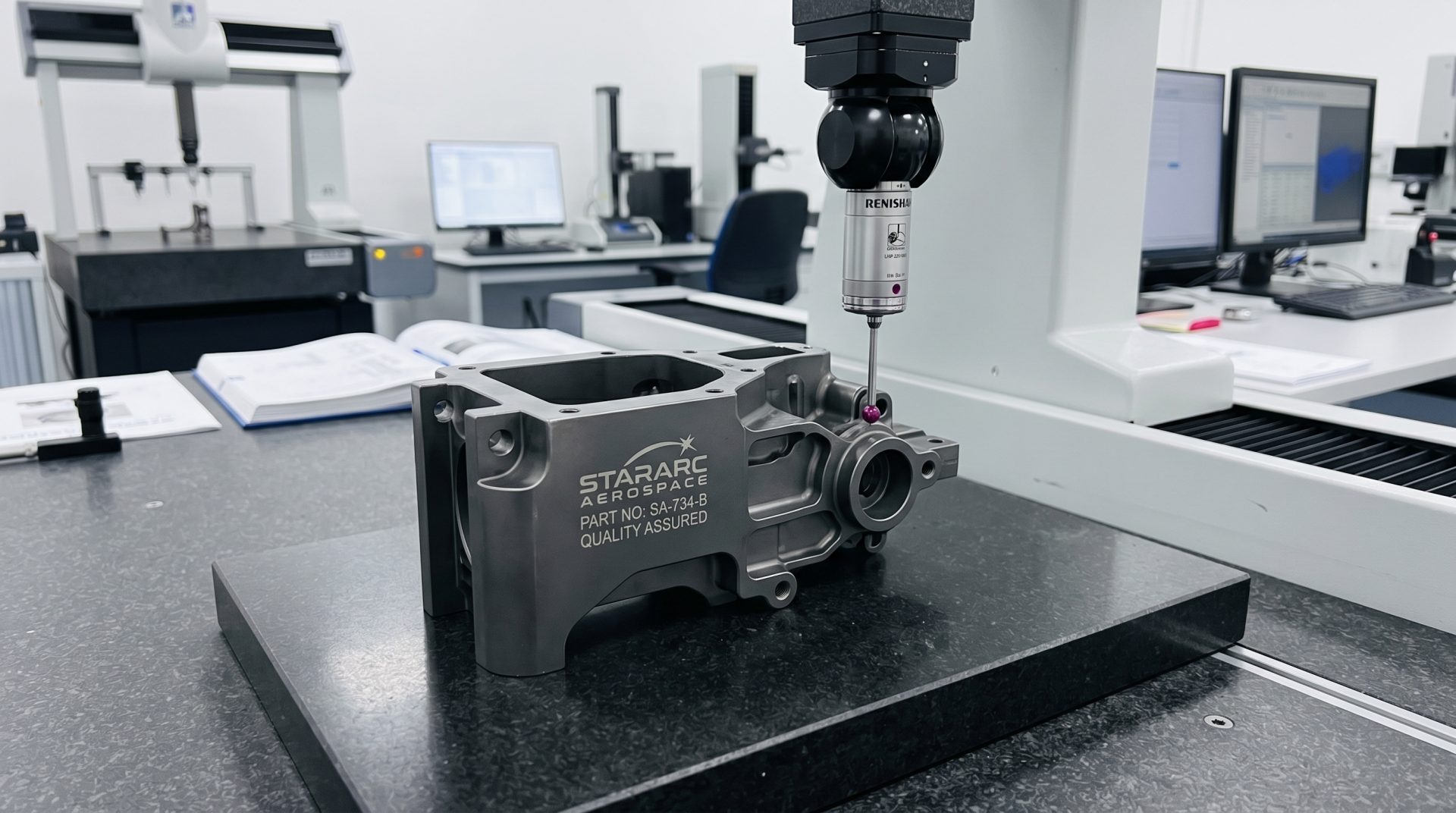
- Extreme precision requirements (±0.005mm)
- Lightweight structural optimization
Aerospace components must pass strict certification and testing before deployment, making CNC machining the only viable production method for many critical parts.
2. Automotive Industry: Powering the Future of Mobility
CNC machining plays a major role in both traditional and electric vehicle manufacturing.
Key Automotive Components:
- Engine blocks and cylinder heads
- Transmission components
- Brake systems
- EV battery housings
- Suspension parts
Industry Trend:
Electric vehicles (EVs) are increasing demand for:
- Lightweight aluminum structures
- Thermal management components
- High-precision battery enclosures
CNC machining ensures these parts maintain durability while reducing overall vehicle weight.
3. Medical Industry: Precision for Life-Saving Devices
Medical manufacturing requires the highest level of accuracy and material safety.
CNC Machining Applications:
- Surgical instruments
- Orthopedic implants
- Dental components
- Diagnostic device housings
- Microfluidic systems
Critical Requirements:
- Biocompatible materials (titanium, stainless steel 316L)
- Ultra-smooth surface finishing
- Sterilization compatibility
- Strict regulatory compliance (FDA, ISO standards)
Even the smallest deviation can impact patient safety, making CNC machining essential in medical engineering.
4. Robotics & Automation: Building the Future of Industry 4.0
Robotics systems rely heavily on precision mechanical components.
CNC Machining Applications:
- Robot arm joints
- Gear systems
- Sensor housings
- Linear motion components
- Structural frames
Key Benefits:
- High repeatability for mass production
- Mechanical stability under load
- Compatibility with complex geometries
As automation expands globally, CNC machining becomes the backbone of robotics hardware development.
5. Electronics Industry: Miniaturization and Precision Engineering
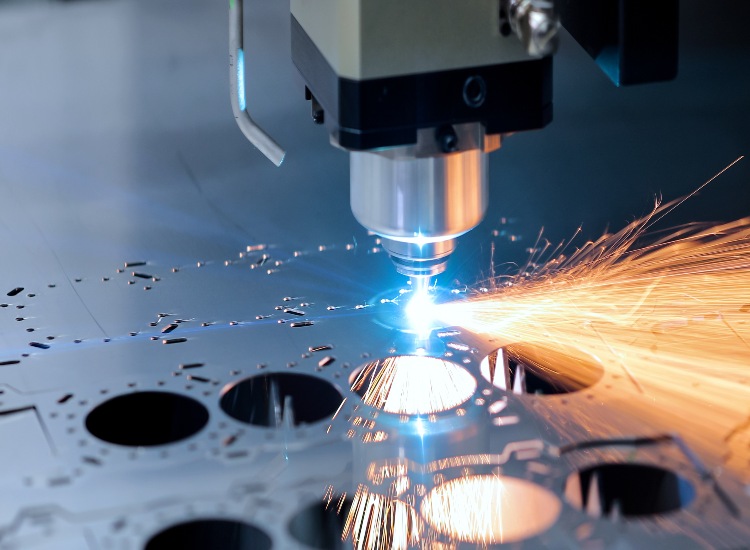
Modern electronics require extremely compact and precise components.
CNC Machining Applications:
- Device enclosures
- Heat sinks
- Connector housings
- Precision frames for sensors
Key Challenges:
- Micro-level tolerances
- Heat dissipation design
- Material conductivity control
CNC machining allows engineers to achieve both structural integrity and thermal efficiency in compact designs.
6. Industrial Machinery: Strength and Durability in Harsh Environments
Heavy industrial equipment relies on CNC-machined components for durability and reliability.
Applications:
- Hydraulic system components
- Gearboxes and shafts
- Pump housings
- Structural machine frames
These components must withstand:
- High pressure
- Continuous operation
- Harsh environmental conditions
CNC machining ensures consistency and long-term operational stability.
7. Material Selection Across Industries
Different industries require different engineering materials.
| Industry | Common Materials | Key Requirement |
|---|---|---|
| Aerospace | Titanium, Inconel | Heat resistance |
| Automotive | Aluminum, Steel | Strength & weight balance |
| Medical | Stainless steel, Titanium | Biocompatibility |
| Robotics | Aluminum, Engineering plastics | Structural precision |
| Electronics | Copper, Aluminum | Thermal conductivity |
Material selection directly impacts product performance and lifecycle.
8. ProtoTech Machining’s Role in Multi-Industry Manufacturing
ProtoTech Machining supports multiple industries through integrated manufacturing capabilities:
- CNC machining (3-axis to 5-axis systems)
- Rapid prototyping for early-stage validation
- Surface finishing for functional enhancement
- Low-volume and production-scale manufacturing
Internal reference:
👉 CNC Machining Services → https://prototech-machining.com/services/cnc-machining/
👉 Surface Finishing → https://prototech-machining.com/services/surface-finishing/
This multi-industry adaptability makes ProtoTech a versatile engineering partner for global clients.
9. Why CNC Machining Remains Irreplaceable
Despite advancements in 3D printing and automation, CNC machining remains essential because:
- It provides superior mechanical strength
- It supports a wide range of materials
- It achieves high repeatability
- It is suitable for both prototyping and mass production
Hybrid manufacturing systems may evolve, but CNC remains the structural foundation of precision engineering.
Conclusion: CNC Machining Powers Every Major Industry in 2026
From aerospace engineering to medical innovation, CNC machining is the invisible backbone of modern technology.
Industries continue to rely on it because it delivers what no other process can consistently guarantee: precision, durability, and scalability.
With its cross-industry engineering capabilities, ProtoTech Machining represents the new generation of manufacturing partners enabling global industrial progress.