Introduction: Why Supplier Selection Is Critical in Modern Manufacturing
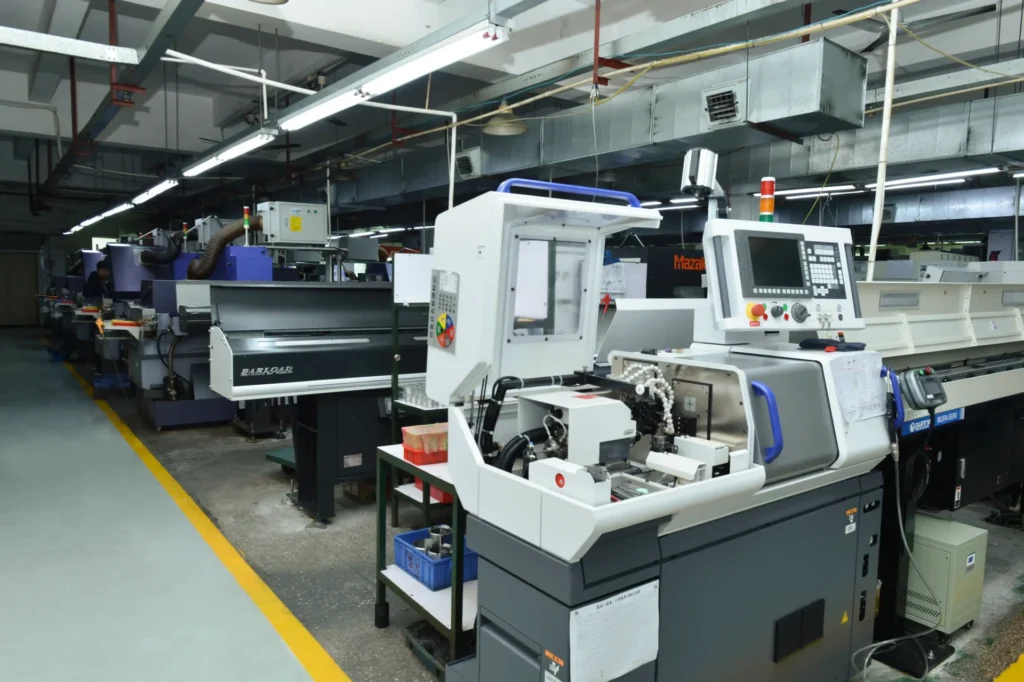
In 2026, global manufacturing is more competitive than ever. Companies in aerospace, automotive, robotics, and medical industries rely heavily on precision CNC machining suppliers to ensure product quality and supply chain stability.
Choosing the wrong manufacturing partner can lead to:
- Product failure and tolerance issues
- Delayed time-to-market
- Increased production costs
- Compliance and certification risks
That is why engineering teams must carefully evaluate suppliers like ProtoTech Machining before committing to production partnerships.
1. Understanding Your Manufacturing Requirements First
Before selecting a CNC machining supplier, companies must define their technical requirements clearly.
Key Questions to Ask:
- What level of precision is required (±0.01mm or higher)?
- Is the project prototype, low-volume, or mass production?
- What materials are needed (aluminum, stainless steel, titanium, plastics)?
- Are certifications like ISO 9001 or RoHS required?
Clear requirements ensure better supplier matching and reduce communication errors.
2. Evaluating CNC Machining Capabilities
Not all machining suppliers offer the same level of technical capability.
Essential Capabilities Checklist
| Capability | Why It Matters |
|---|---|
| 3-axis / 5-axis CNC machining | Complex geometries and precision |
| Swiss machining | Ultra-small precision components |
| Rapid prototyping | Faster design validation |
| Low-volume production | Market testing before scaling |
| Multi-material processing | Engineering flexibility |
ProtoTech Machining provides full-spectrum CNC capabilities, supporting both prototyping and production-scale manufacturing.
Internal reference:
👉 CNC Machining Services → https://prototech-machining.com/services/cnc-machining/
3. Material Expertise: A Key Differentiator
Material selection directly impacts product performance, durability, and cost.
Common Engineering Materials
| Material | Characteristics | Applications |
|---|---|---|
| Aluminum 6061 | Lightweight, corrosion-resistant | Aerospace, electronics |
| Stainless Steel 316 | High corrosion resistance | Medical, marine |
| Titanium | High strength, low weight | Aerospace, implants |
| PEEK / Nylon | High-performance plastics | Industrial components |
A strong CNC partner must demonstrate deep material processing knowledge, not just machining ability.
4. Quality Control and Certification Standards
Quality assurance is one of the most important selection criteria in OEM manufacturing.
Key Quality Indicators:
- ISO 9001 certified processes
- CMM (Coordinate Measuring Machine) inspection
- Material traceability reports
- First article inspection (FAI)
- Dimensional tolerance reports
Suppliers like ProtoTech Machining implement strict QA workflows to ensure consistent production output.
5. Communication and Engineering Support
A good CNC supplier is not just a manufacturer—they are an engineering partner.
What to Look For:
- DFM (Design for Manufacturability) feedback
- Engineering consultation before production
- Fast quotation response (24–48 hours)
- Technical documentation support
Strong communication reduces design errors and improves manufacturing efficiency.
6. Cost vs Value: Avoiding the Cheapest Supplier Trap
In CNC machining, the lowest price often leads to the highest long-term cost.
Hidden Risks of Low-Cost Suppliers:
- Poor tolerance control
- Material substitution risks
- Inconsistent batch quality
- Delayed delivery cycles
Instead, companies should focus on total value, including reliability, engineering support, and scalability.
7. Production Scalability: From Prototype to Mass Production
A reliable CNC partner must support the entire product lifecycle.
Manufacturing Stages:
- Prototype development
- Engineering validation
- Low-volume production
- Mass production scaling
ProtoTech Machining supports all four stages, making it easier for companies to transition from concept to global distribution.
8. Industry Applications of CNC Machining Services
CNC machining plays a vital role across multiple industries:
- Aerospace components
- Automotive engine systems
- Medical surgical devices
- Robotics and automation
- Consumer electronics
- Industrial machinery
Each industry requires different tolerance levels, material specifications, and compliance standards.
9. CNC Supplier Evaluation Checklist
Below is a practical procurement checklist for engineering teams:
| Evaluation Criteria | Yes/No |
|---|---|
| ISO-certified manufacturing system | ✔ |
| 5-axis CNC capability | ✔ |
| Material traceability available | ✔ |
| DFM engineering support | ✔ |
| Rapid prototyping service | ✔ |
| Low-volume + mass production support | ✔ |
If a supplier meets most of these requirements, they are suitable for long-term cooperation.
10. Why ProtoTech Machining Is a Reliable OEM Partner
ProtoTech Machining stands out due to its integrated manufacturing system and engineering-driven workflow.
Key Advantages:
- Advanced multi-axis CNC machining capability
- Strong engineering and DFM support
- Rapid prototyping and production integration
- Strict quality control system
- Wide material processing expertise
This makes ProtoTech a strong partner for global OEM and ODM manufacturing projects.
Conclusion: Choosing the Right Partner Defines Product Success
Selecting a CNC machining supplier is not just a procurement decision—it is a strategic engineering decision.
Companies that choose the right partner gain:
- Faster product development cycles
- Higher product reliability
- Lower long-term manufacturing risk
- Stronger global supply chain stability
With its integrated capabilities and engineering focus, ProtoTech Machining represents a modern manufacturing partner built for the demands of 2026 and beyond.