Accelerating Industrial Hardware Launches
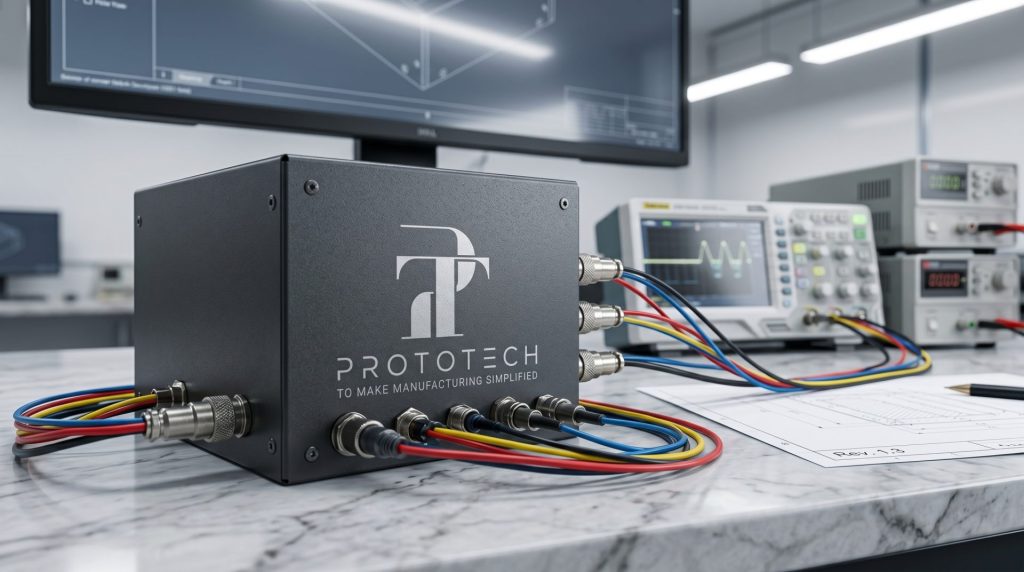
Hardware engineers face intense time-to-market pressures daily. Launching new industrial equipment demands fast mechanical iteration. You must secure reliable sheet metal prototype fabrication to validate complex electronic enclosures immediately. Standard manufacturing delays destroy corporate project budgets rapidly. We eliminate these frustrating engineering bottlenecks completely. ProtoTech Machining manufactures robust metal housings for global technology brands every single week. We utilize advanced fiber lasers and precision press brakes to build functional chassis fast. We understand the exacting DFM (Design for Manufacturability) guidelines required for absolute mechanical success.
Waiting weeks for unverified physical samples costs hardware developers millions in lost retail revenue annually. You prevent these disastrous launch delays by partnering with a dedicated rapid prototyping factory directly. We verify every single flat pattern unfolding calculation before cutting expensive metal sheets. Our production engineers monitor bend allowances continuously to guarantee perfect dimensional tolerances during the forming process. We ensure your delicate printed circuit boards fit inside the prototype housing flawlessly. Stop risking your engineering timeline on slow, unresponsive fabrication shops. Upgrade your hardware procurement strategy today. Secure industry-leading prototype turnaround times effortlessly. Master the complex workflow of rapid metal iteration with our comprehensive B2B engineering guide below.
The Need for Robust Physical Enclosures
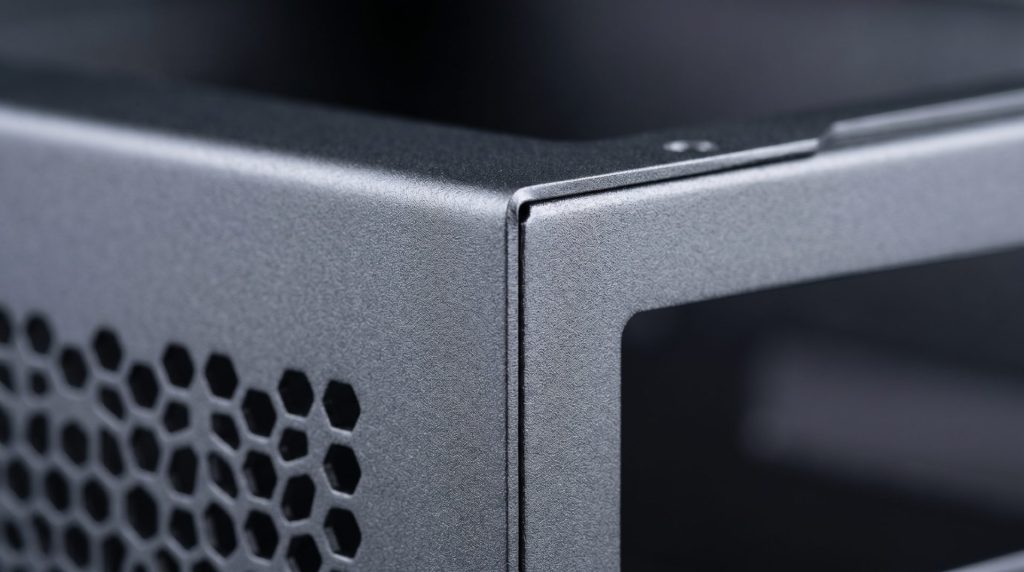
Product developers must protect sensitive internal hardware strictly. Fragile electronics survive harsh environments rarely. Industrial settings destroy exposed silicon boards instantly. You must build strong protective housings. We fabricate durable metal enclosures daily. Your devices withstand heavy physical impacts. We eliminate catastrophic hardware failures entirely. Smart engineering requires impenetrable metal shielding.
Protecting Delicate PCBs
Printed Circuit Boards contain thousands of microscopic connections. Factory dust shorts these delicate pathways quickly. Accidental tool drops shatter silicon chips instantly. You must enclose these boards securely. Metal chassis provide ultimate physical defense. We fold thick steel sheets precisely. You bolt the PCB inside safely. Our enclosures block corrosive industrial fluids perfectly. We guarantee absolute environmental protection always. Your expensive hardware survives brutal factory conditions. We deliver peace of mind confidently.
Managing Thermal Dissipation
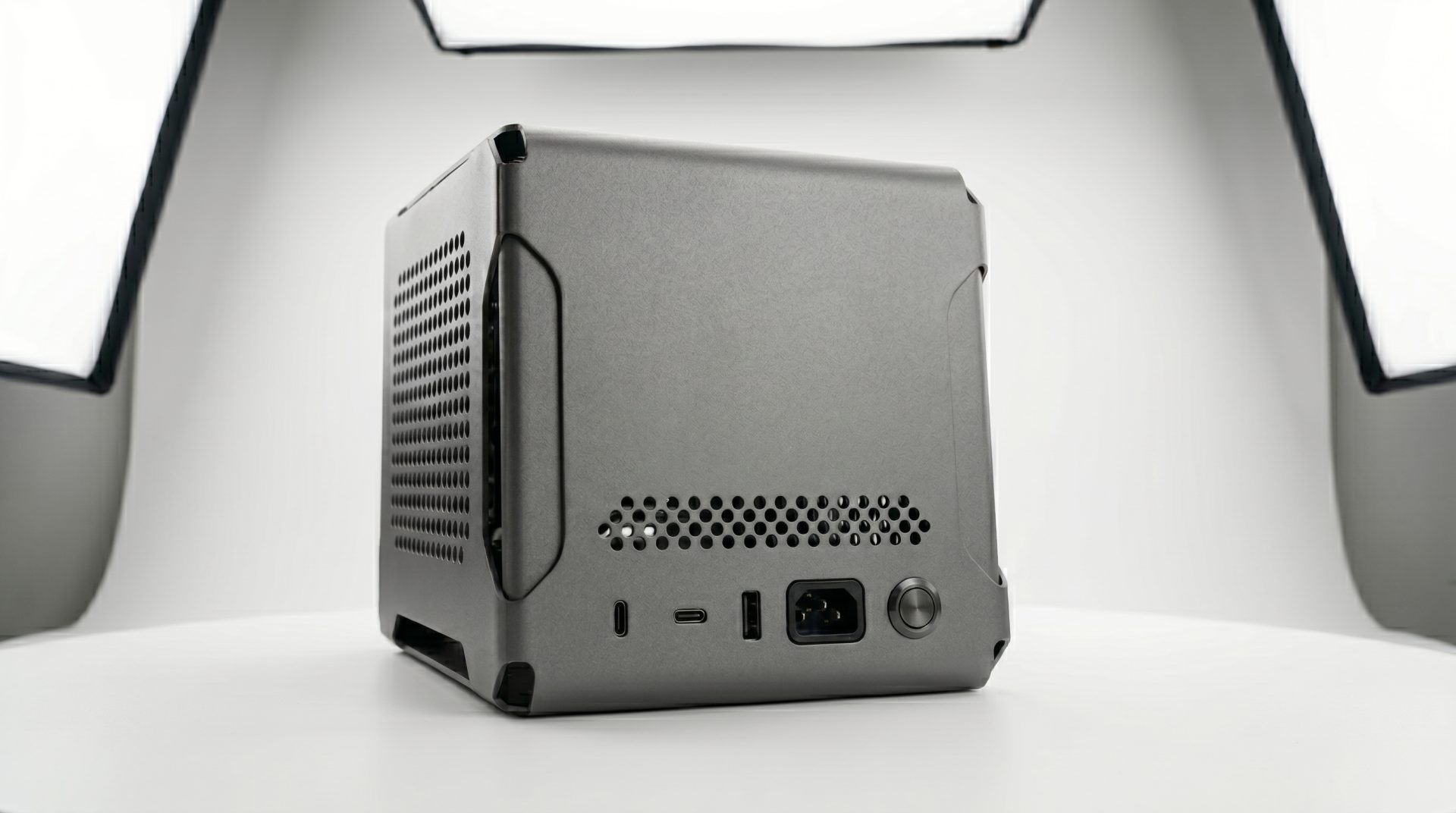
Modern processors generate massive thermal energy continuously. Trapped heat melts internal plastic components rapidly. Thermal throttling ruins device performance completely. You must extract this heat immediately. Aluminum sheet metal conducts heat incredibly well. The entire chassis acts as a giant heatsink. We punch precise ventilation slots flawlessly. Internal cooling fans push hot air out efficiently. We optimize your thermal management strategies. Your electronic devices run cool permanently. We prevent expensive overheating failures entirely.
EMI/RFI Shielding Requirements
Electromagnetic interference corrupts sensitive data signals continuously. Nearby heavy machinery broadcasts invisible radio frequencies. These waves disrupt your critical sensor readings. Plastic enclosures offer zero electromagnetic protection naturally. Metal chassis block these invisible waves securely. We design tight overlapping sheet metal seams. You enclose the device in a Faraday cage. Your products pass strict FCC testing effortlessly. We ensure perfect signal integrity always. You launch compliant industrial hardware quickly. Our fabrication secures your technical success.
The Rapid Prototyping Workflow
Furthermore, executing the rapid prototyping workflow requires flawless digital preparation natively. Consequently, product designers reduce physical manufacturing errors dramatically securely. Therefore, we review every 3D CAD model through advanced CAM simulation entirely. Moreover, understanding these specific dynamic steps optimizes your final hardware budget flawlessly.
Flat Pattern Unfolding in CAD
Specifically, every three-dimensional metal enclosure begins as a completely flat sheet natively. Consequently, engineers must unfold the 3D model into an accurate 2D flat pattern securely. Therefore, we utilize advanced CAD software to calculate exact bend deductions and K-factors completely. Furthermore, this critical mathematical calculation accounts for metal stretching during the physical bending process natively. Moreover, miscalculating the bend allowance ruins the final dimensions of the folded box securely. Thus, our rigorous digital unfolding guarantees perfect hole alignments later natively. Ultimately, precise digital preparation drives massive fabrication efficiency globally.
High-Speed Laser Cutting
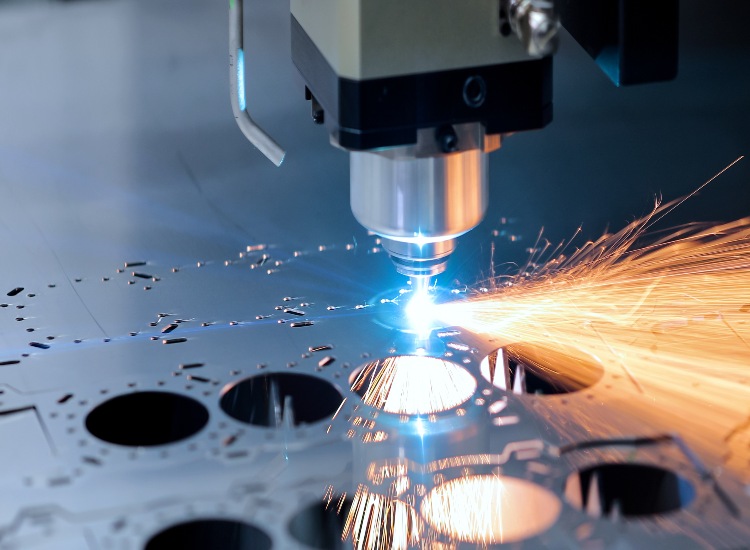
Additionally, cutting the calculated flat pattern requires immense precision natively. Consequently, standard mechanical punching tools warp thin metal geometries securely. Therefore, we deploy high-speed fiber lasers to cut the complex flat blanks completely. Furthermore, the concentrated laser beam melts the metal rapidly without inducing any physical mechanical stress natively. Moreover, this frictionless cutting method leaves pristine, burr-free edges across the entire part securely. Thus, you receive perfectly clean components ready for immediate forming natively. Hence, intelligent laser utilization drives massive prototyping speed completely.
Precision CNC Press Braking
Moreover, transforming the flat blank into a rigid 3D chassis requires massive force natively. Consequently, our hydraulic CNC press brakes apply tons of pressure along specific bend lines securely. Therefore, expert operators utilize hardened steel V-dies and punches to fold the metal completely. Furthermore, the CNC controller monitors the bend angle dynamically, adjusting for material spring-back instantly natively. Moreover, this dynamic adjustment ensures every single corner hits an exact 90-degree angle securely. Thus, the final metal prototype matches your original CAD model flawlessly. Ultimately, elite press brake operation separates professional factories from amateur shops entirely.
Comparison Matrix: Enclosure Prototyping Methods
Procurement directors must compare total lifecycle costs when sourcing precision hardware globally. Notably, analyzing comparative manufacturing strategies optimizes long-term brand profitability heavily. The following matrix contrasts core enclosure prototyping methods to help you specify the correct process for your B2B engineering projects:
| Prototyping Process | Material Strength & Durability | Thermal Conductivity | Production Scalability |
| Sheet Metal Prototypes | Maximum. Bent steel and aluminum provide true industrial-grade rigidity and impact resistance natively. | Excellent. Aluminum enclosures actively dissipate internal processor heat into the surrounding environment securely. | High. The exact same flat patterns and bend programs can be used to manufacture 10,000 units easily completely. |
| 3D Printed Enclosures | Low to Moderate. FDM plastics often exhibit weak layer adhesion, making them prone to shattering upon impact natively. | Poor. Standard prototyping plastics act as thermal insulators, trapping dangerous heat inside the device securely. | Low. 3D printing remains far too slow and expensive per unit to scale beyond a few dozen beta test units completely. |
| CNC Milled Boxes | Very High. Carved from solid billets, creating incredibly robust, thick-walled protective housings natively. | Excellent. Solid aluminum walls act as massive, highly efficient thermal heat sinks securely. | Moderate. While scalable, the long machine cycle times make milled boxes significantly more expensive than folded sheet metal completely. |
Iterating Toward Mass Production
Scaling a hardware brand requires strategic global supply chain planning natively. Rushing from basic prototypes directly into mass manufacturing destroys product launch timelines instantly. We structure our advanced fabrication processes to support elite engineers securely. You scale your assembly operations predictably without absorbing unnecessary defect risk. We manage the complex transition from beta testing to high-volume production so you can focus entirely on hardware deployment.
Standardizing Hole Sizes
During the prototyping phase, engineers often use arbitrary hole sizes securely. As you transition to mass production natively, you must standardize these cutouts. Designing holes that match standard punch press tooling eliminates the need to buy custom hardened steel punches later natively. We audit your CAD files to ensure all cutouts align with standard industrial tooling, dropping your high-volume unit costs significantly completely.
Testing Powder Coat Adhesion
A prototype must validate the final cosmetic finish natively. We apply industrial-grade powder coating to your early samples securely. Your engineering team can then subject these painted metal boxes to cross-hatch adhesion tests and salt spray exposure natively. Validating the paint chemistry during the prototype stage ensures your final mass-produced products will not rust or peel in the field completely.
Transitioning to Stamping Dies
Laser cutting and press braking are perfect for prototypes and low-volume runs (1-1000 units) natively. However, if your product reaches massive scale (50,000+ units), we help you transition the design for hard tooling securely. We assist in converting your proven sheet metal designs into progressive stamping die layouts natively, guaranteeing you achieve the lowest possible per-unit manufacturing cost at scale completely.
Frequently Asked Questions (FAQ)
1. What are the laser cutting thickness limits for sheet metal prototypes natively?
We execute precise mechanical engineering flawlessly. Our high-power fiber lasers can cleanly cut mild steel up to 20mm thick, stainless steel up to 15mm, and aluminum up to 12mm natively, accommodating heavy industrial chassis securely.
2. What are your standard prototyping lead times for a folded metal enclosure securely?
We deploy rigorous operational protocols strictly natively. Because we do not require custom hard tooling natively, we typically laser cut, bend, weld, and ship standard sheet metal prototypes within 3 to 7 business days completely.
3. Should we select aluminum or stainless steel for our prototype material natively?
Absolutely. We execute precise mechanical engineering flawlessly. Aluminum (like 5052) is ideal for lightweight, heat-dissipating electronics enclosures natively. Stainless steel (like 304 or 316) is required for corrosive environments, food processing, or medical equipment securely.
4. What standard tolerances can you hold on bent sheet metal parts securely?
We engineer scalable solutions flawlessly. We hold strict industry standards natively. We typically maintain +/- 0.1mm (0.004 inches) on laser-cut hole profiles and +/- 0.5 degrees on all CNC press brake bending angles completely.
5. Can you install PEM nuts and hardware during the prototype phase natively?
We engineer highly scalable industrial solutions flawlessly. Yes securely. We utilize hydraulic insertion machines to press self-clinching standoffs, studs, and PEM nuts directly into your prototype natively, allowing you to mount your PCBs immediately upon delivery completely.
6. Can you combine custom sheet metal fabrication with milled metal parts securely?
We manage global supply chains flawlessly. Yes natively. We excel at hybrid manufacturing securely. We can weld or bolt precision CNC-milled heat sinks directly into your folded sheet metal enclosures, providing a complete, turnkey hardware solution completely.
Conclusion
Hardware competition within the lucrative global industrial market remains incredibly fierce constantly. Managing your mechanical development poorly ruins your corporate equity instantly. You must execute your manufacturing strategy through highly verified OEM partners securely. We engineer perfect metal systems that guarantee absolute dimensional stability and supply chain dominance. Partner with us for sheet metal prototype fabrication to accelerate your launch. We excel at custom sheet metal fabrication for scalable production. We also offer seamless cnc machining integration and robust surface finishing operations. View our prototype gallery to inspect our quality. Please meet our team to discuss your project, or request a sheet metal quote securely today to begin.