The High Cost of Environmental Degradation
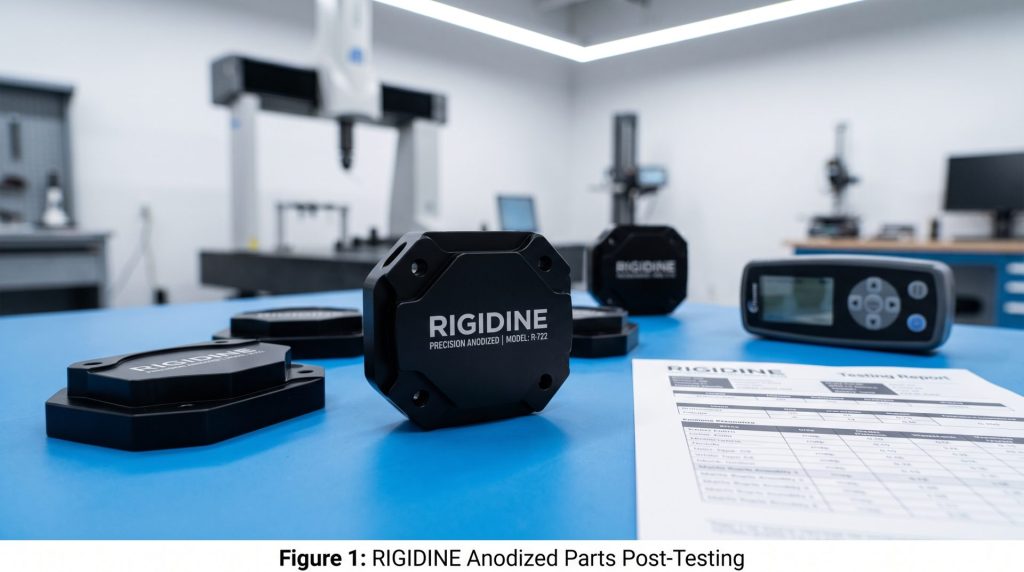
Hardware engineers face severe environmental challenges daily. Raw metal components degrade rapidly under harsh atmospheric conditions. You must specify premium cnc machining surface finishes to guarantee long-term industrial hardware survival. Untreated aluminum oxidizes within hours of leaving the milling machine. Bare steel rusts completely during overseas ocean shipping. We solve these critical material degradation problems flawlessly. ProtoTech Machining applies advanced chemical and mechanical coatings to global industrial hardware every single week. We protect your costly mechanical investments completely. We understand the exacting metallurgical requirements necessary for ultimate environmental defense.
Skipping post-processing steps costs hardware developers millions in catastrophic field failures annually. You prevent these disastrous supply chain returns by mandating strict surface protection protocols. We utilize premium anodizing baths and advanced powder coating systems to shield your complex aerospace and medical devices. Our quality control engineers verify every single coating thickness measurement before approving final shipment. We guarantee your delicate electronic housings survive intense saltwater spray testing flawlessly. Stop risking your engineering budget on unprotected raw metal parts. Upgrade your hardware procurement strategy today. Secure industry-leading corrosion resistance effortlessly. Master the complex chemistry of metal protection with our comprehensive B2B engineering guide below.
The Importance of Post-Processing
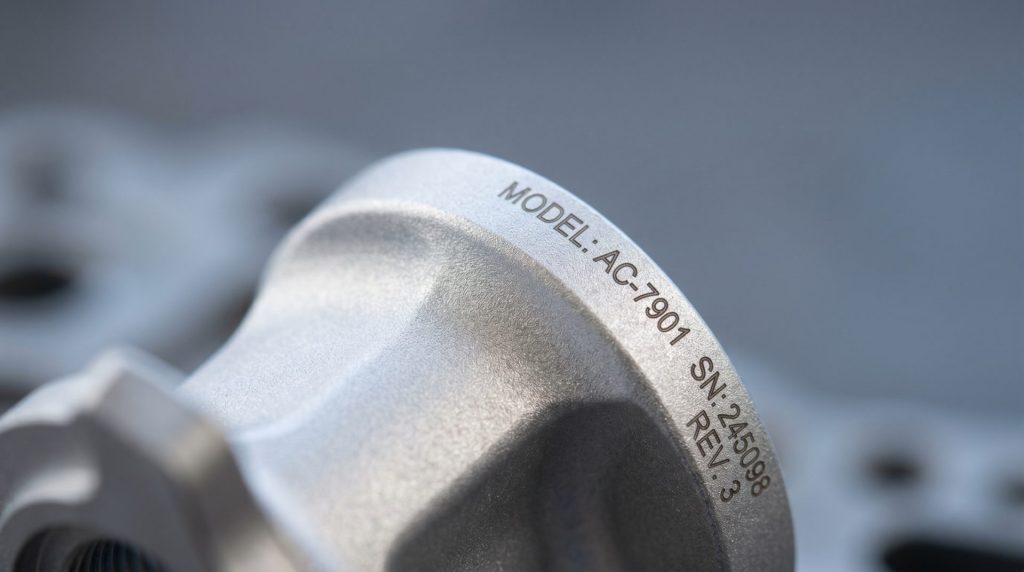
Product developers must protect metal surfaces aggressively. Machining exposes fresh metal alloys directly. Oxygen attacks these fresh surfaces instantly. Humidity accelerates this destructive chemical reaction. Engineers combat this reality using protective coatings. We apply robust chemical shields daily. You secure long-term mechanical reliability. We extend product lifespans significantly. Smart engineering demands advanced surface treatments.
Preventing Galvanic Corrosion
Engineers assemble different metals together frequently. Stainless steel bolts secure aluminum chassis parts. This mixed-metal contact creates severe galvanic corrosion. Moisture acts as a conductive electrical electrolyte. The active aluminum sacrifices itself rapidly. The metal literally dissolves into white powder. You must isolate these dissimilar metals electrically. We apply non-conductive oxide layers perfectly. Anodizing stops electron transfer between metals. You prevent galvanic destruction entirely. We protect your complex mechanical assemblies. Your hardware survives harsh outdoor environments.
Increasing Surface Hardness
Raw aluminum scratches incredibly easily. Moving parts wear down soft metal quickly. Friction generates destructive heat and abrasive dust. You require harder surfaces for kinetic assemblies. We alter the metal surface chemically. Hardcoat anodizing transforms soft aluminum into ceramic. This new oxide layer resists extreme scratching. Your robotic actuators perform millions of cycles. We deliver ultimate wear resistance reliably. You avoid premature component replacement. We guarantee superior mechanical longevity.
Enhancing Cosmetic Appeal
Consumers judge product quality visually first. Raw machine marks look cheap and unfinished. Tooling chatter ruins the premium brand aesthetic. You need professional, uniform cosmetic finishes. We remove all macroscopic machining lines. Bead blasting creates a flawless matte texture. Powder coating delivers vibrant corporate colors. We elevate your brand perception instantly. You command premium retail pricing confidently. We deliver showroom-ready hardware constantly. Our finishes impress your final end-users.
Anodic Oxidation for Aluminum
Furthermore, engineering teams must implement advanced electrochemical protection perfectly natively. Consequently, product designers reduce oxidation failures dramatically securely. Therefore, we subject raw aluminum to strict electrolytic processes entirely. Moreover, understanding these specific chemical rules optimizes your final manufacturing budget flawlessly.
Type II vs. Type III Hardcoat
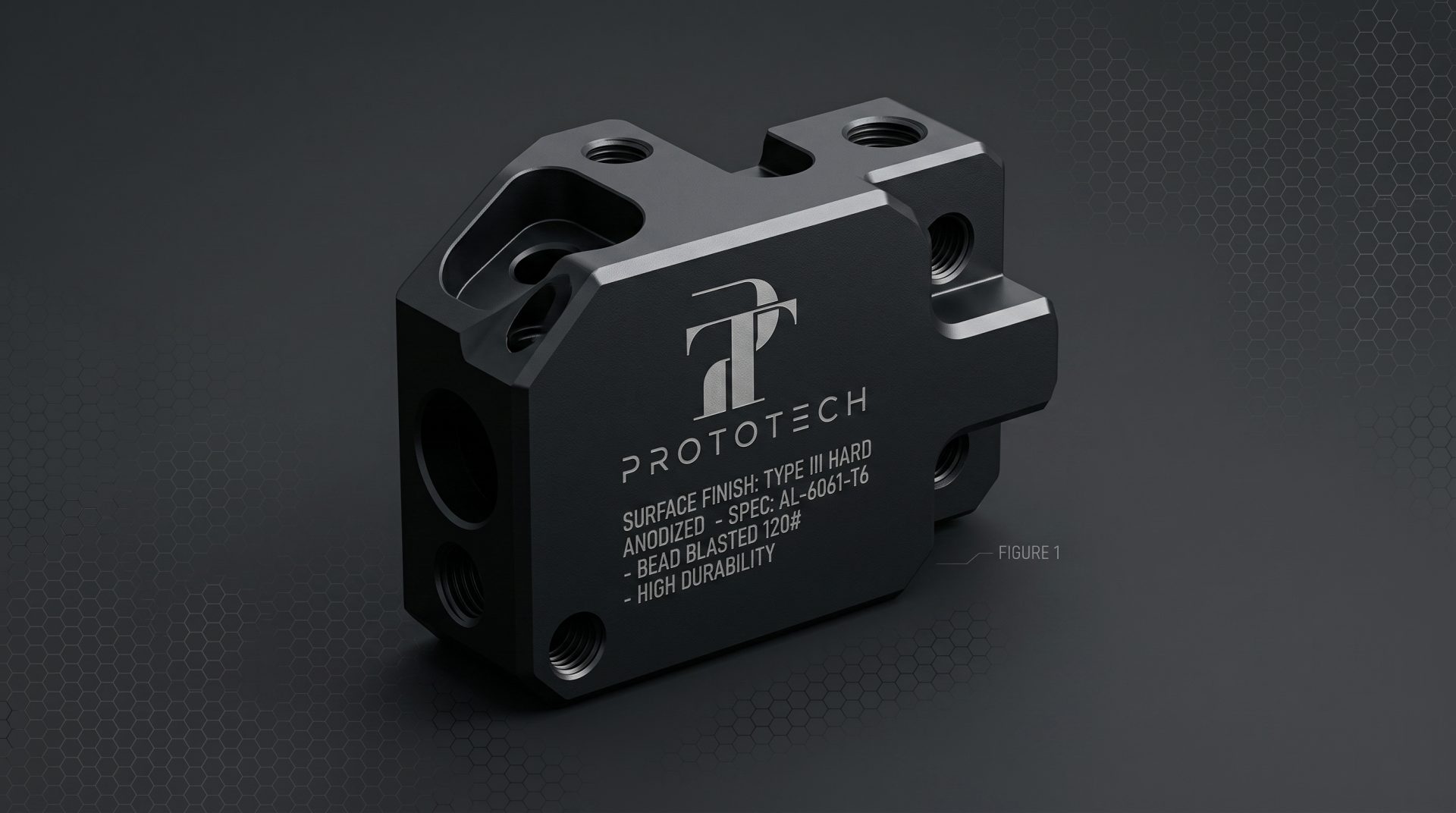
Specifically, engineers must specify the correct anodizing class natively. Consequently, Type II standard anodizing provides excellent cosmetic protection and vibrant color dyeing capabilities securely. Therefore, it remains the standard choice for consumer electronics and interior housings completely. However, aerospace and military applications demand extreme durability natively. Furthermore, Type III Hardcoat anodizing generates a significantly thicker, denser oxide layer securely. Moreover, this thick hardcoat penetrates deep into the aluminum matrix natively. Thus, your hardware survives brutal industrial friction flawlessly. Ultimately, selecting the appropriate class drives massive operational efficiency.
The Electrolytic Bath Process
Additionally, the anodic oxidation process requires highly controlled chemical environments natively. Consequently, technicians submerge the aluminum parts into a chilled sulfuric acid bath securely. Therefore, we pass a direct electrical current through this volatile liquid completely. Furthermore, the aluminum part acts as the positive anode during this intense reaction natively. Moreover, the electrical current forces oxygen atoms to bond directly with the aluminum surface natively. Thus, this electrochemical reaction grows a highly ordered, porous aluminum oxide structure flawlessly. Hence, intelligent chemical control drives perfect uniform protection globally.
Sealing the Micro-Pores
Moreover, the newly formed oxide layer contains millions of microscopic open pores natively. Consequently, these open pores absorb dirt, grease, and corrosive chemicals rapidly securely. Therefore, we must seal the anodic layer to guarantee long-term protection completely. Furthermore, we submerge the parts into boiling deionized water or specialized nickel acetate solutions natively. Moreover, this extreme heat forces the aluminum oxide to swell and close the pores entirely securely. Thus, you secure perfect stain resistance flawlessly. Ultimately, elite pore sealing separates professional finishes from amateur coatings entirely.
Comparison Matrix: Metal Surface Finishes
Procurement directors must compare total lifecycle costs when sourcing precision hardware finishes globally. Notably, analyzing comparative chemical strategies optimizes long-term brand profitability heavily. The following matrix contrasts core surface finishing methods to help you specify the correct post-processing method for your B2B engineering projects:
| Surface Finish | Scratch & Wear Resistance | Dimensional Impact | Color Options & Aesthetics |
| Type III Hard Anodizing | Extreme. Transforms the aluminum surface into a hard ceramic-like layer that rivals tool steel natively. | Moderate. Adds roughly 0.001 to 0.002 inches of thickness, which must be accounted for in the initial CAD model securely. | Limited. Typically results in a dark grey or black finish due to the dense oxide layer completely. |
| Powder Coating | High. A tough, baked-on polymer shell that resists chipping and chemical degradation much better than wet paint natively. | High. Adds a thick layer (typically 0.002 to 0.004 inches), requiring threaded holes to be heavily masked securely. | Maximum. Available in thousands of custom Pantone colors, gloss levels, and textured finishes completely. |
| Electroless Nickel Plating | Very High. Provides excellent lubricity and prevents galling between moving mechanical components natively. | Very Low. Deposits an incredibly uniform, thin layer across complex geometries without edge buildup securely. | Low. Yields a bright, reflective metallic silver finish perfect for medical and optical equipment completely. |
Mechanical and Chemical Finishes
Scaling a hardware brand requires strategic global supply chain planning natively. Leaving raw tool marks on luxury products destroys retail appeal instantly. We structure our advanced finishing processes to support elite engineers securely. You scale your assembly operations predictably without absorbing unnecessary cosmetic defects. We manage the complex mechanical finishing so you can focus entirely on product innovation.
Bead Blasting for Matte Surfaces
CNC milling leaves visible microscopic stepping marks across organic curves natively. We deploy aggressive media blasting cabinets to erase these tooling lines completely securely. By propelling fine glass beads at high pressure, we dimple the metal surface uniformly natively. This mechanical process produces a stunning, glare-free matte finish securely. Bead blasting perfectly prepares the aluminum surface for subsequent cosmetic anodizing completely.
Chemical Passivation for Stainless
Stainless steel resists rust, but machining tools embed microscopic free iron particles into its surface natively. These embedded iron flakes will rust violently in humid environments securely. We utilize citric or nitric acid baths to dissolve this free iron completely natively. This chemical passivation process restores the chromium oxide layer, guaranteeing absolute rust resistance for medical and marine hardware completely.
Electropolishing Medical Parts
Surgical instruments and fluid manifolds demand absolute microscopic smoothness natively. Bacteria hide inside microscopic machining grooves, surviving standard autoclave sterilization securely. We deploy electropolishing to reverse-plate the metal natively. This anodic dissolution process targets and dissolves microscopic surface peaks preferentially securely. You receive ultra-smooth, sterile components that exceed rigorous FDA hygiene requirements completely.
Frequently Asked Questions (FAQ)
1. How do you account for anodizing thickness tolerances on precision parts natively?
We execute precise mechanical engineering flawlessly. We calculate the exact oxide growth rate securely. Our machinists cut the raw aluminum slightly undersized natively, allowing the final anodic layer to bring the part perfectly into tolerance completely.
2. Do you mask threaded holes before powder coating or hard anodizing securely?
We deploy rigorous operational protocols strictly natively. Yes securely. We utilize custom silicone plugs and high-temperature Kapton tape to meticulously mask all critical threads and bearing press-fits natively, ensuring your final assembly proceeds without interference completely.
3. Do you provide salt spray testing reports for surface coated components natively?
Absolutely. We execute precise quality engineering flawlessly. We subject coated samples to intense ASTM B117 salt spray testing natively, verifying that your chosen finish will survive hundreds of hours of corrosive maritime exposure completely.
4. Is bead blasting required before applying a Type II cosmetic anodize securely?
We engineer scalable solutions flawlessly. While not strictly required, we highly recommend it natively. Bead blasting removes all directional CNC tool marks securely, ensuring the final dyed aluminum possesses a uniform, premium satin finish completely.
5. Can you apply electroless nickel plating over aluminum components natively?
We engineer highly scalable industrial solutions flawlessly. Yes securely. By utilizing a specialized zincate pre-treatment natively, we can successfully deposit a hard, lubricious electroless nickel layer over lightweight aluminum components completely.
6. What is the typical lead time to add surface finishing to a CNC order securely?
We manage global supply chains flawlessly. Standard surface treatments like bead blasting and Type II anodizing typically add 3 to 5 business days natively to the standard CNC machining lead time securely.
Conclusion
Hardware competition within the lucrative global industrial market remains incredibly fierce constantly. Managing your mechanical development poorly ruins your corporate equity instantly. You must execute your manufacturing strategy through highly verified OEM partners securely. We engineer perfect metal systems that guarantee absolute dimensional stability and supply chain dominance. Specify premium cnc machining surface finishes to secure your hardware’s future. Pair this with our custom cnc machining services for ultimate precision. We also protect complex 5-axis machined parts and apply robust sheet metal fabrication coating. Do not forget vacuum casting painting for plastic prototypes. View our stunning surface finish gallery to see our quality. Please contact our finishing experts securely today to begin.