The High Cost of Poor Chassis Engineering
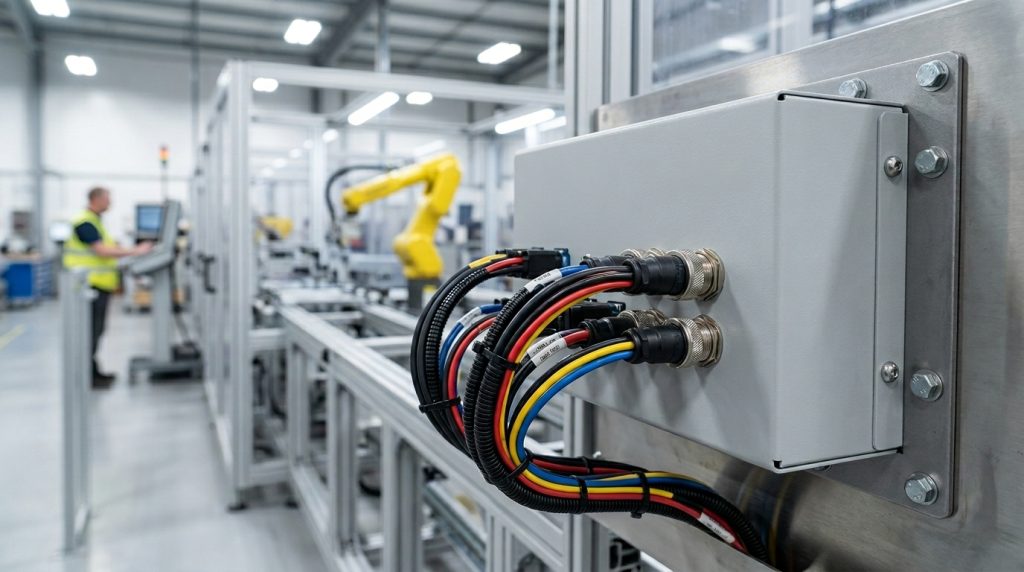
Hardware engineers face immense mechanical design challenges daily. Manufacturing robust electronic enclosures requires absolute geometric precision. Designing flawed flat patterns destroys expensive assembly timelines instantly. You must utilize expert custom sheet metal fabrication to guarantee flawless industrial hardware production. Subpar machine shops ruin delicate aluminum brackets continuously. They ignore critical bending rules. We eliminate these devastating manufacturing errors completely. ProtoTech Machining processes advanced metal enclosures for global technology brands every single week. We utilize high-speed fiber lasers and precise hydraulic press brakes to transform raw flat sheets into robust three-dimensional structures. We understand the exacting DFM (Design for Manufacturability) guidelines required for ultimate mechanical success.
Ignoring fundamental bending physics costs industrial developers millions in scrapped metal annually. You prevent these disastrous prototyping failures by mastering foundational CAD design principles. We verify every single K-factor calculation before initiating our fiber laser cutting sequence. Our production engineers monitor material grain direction to prevent catastrophic metal fracturing during the bending process. We guarantee your delicate electronic housings survive intense physical testing flawlessly. Stop risking your engineering budget on unverified sheet metal brokers. Upgrade your hardware procurement strategy today. Secure industry-leading dimensional accuracy effortlessly. Master the complex physics of metal forming with our comprehensive B2B engineering guide below.
The Foundation of Metal Enclosures
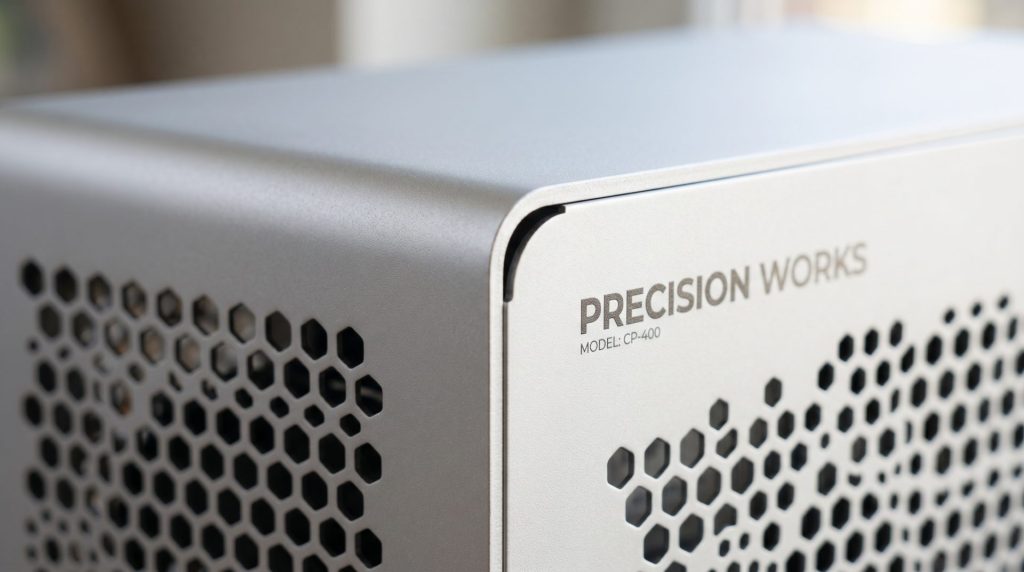
Engineers must understand raw materials completely. Steel sheets begin flat. Machines transform these flat geometries. Precision defines the final product. You must control every single variable. We cut materials flawlessly. Your assemblies fit perfectly together. We eliminate mechanical interference completely. Smart engineering guarantees production success.
Laser Cutting Precision
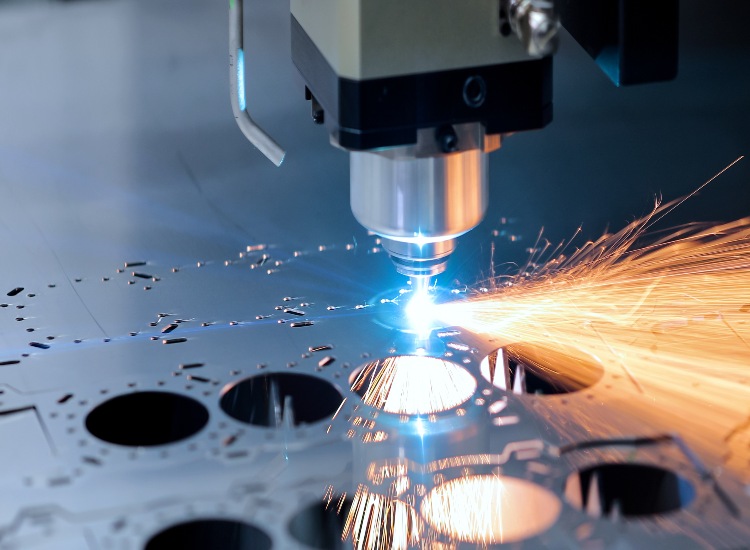
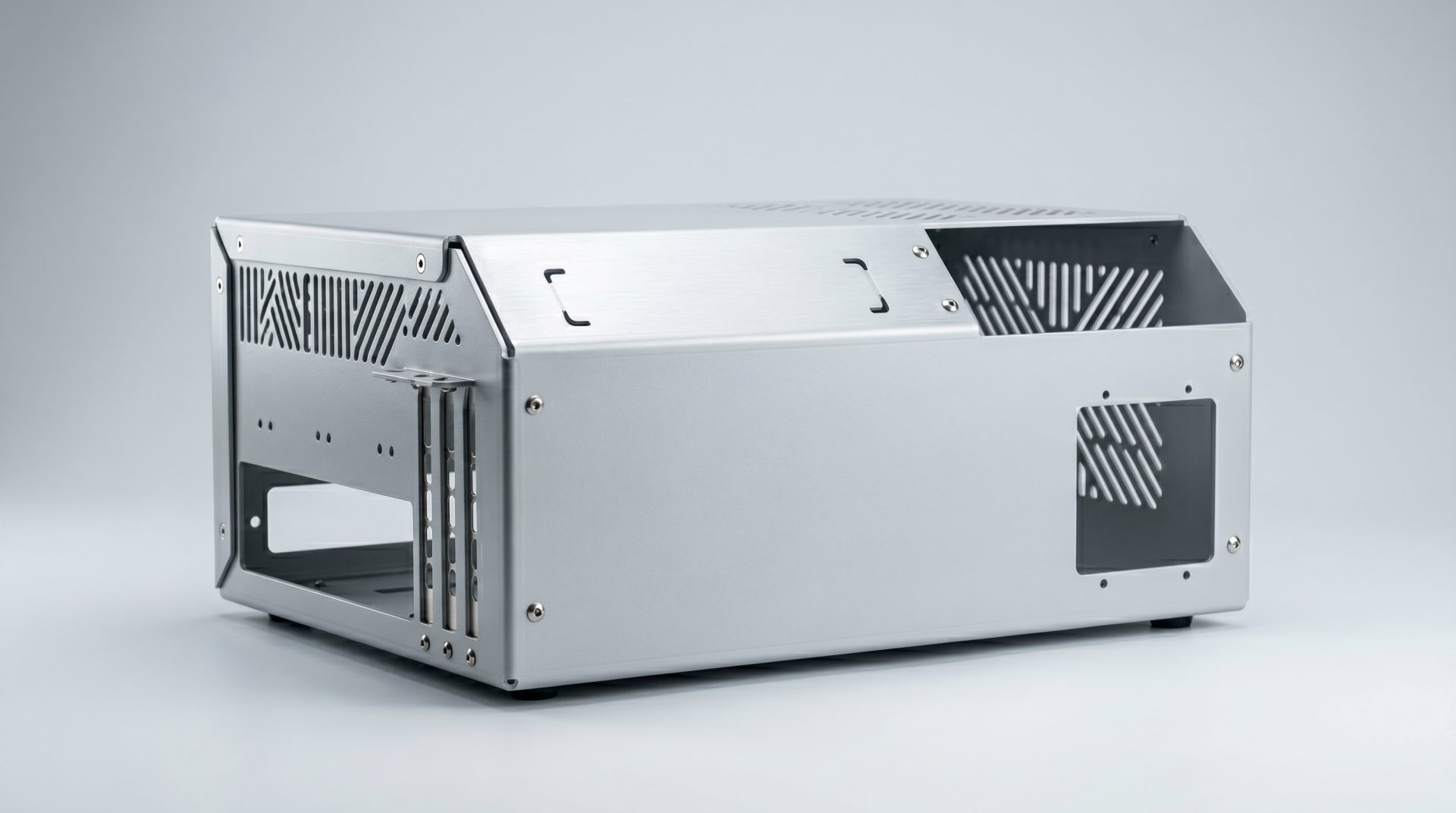
Fiber lasers cut metal incredibly fast. High-power beams melt steel instantly. Assist gases blow the molten material away. We achieve exceptional dimensional accuracy. Cut edges remain perfectly smooth. You avoid secondary deburring operations entirely. Complex geometries require laser precision. We cut intricate ventilation patterns effortlessly. Tolerances remain tight across large batches. Our machines cut thick stainless steel. We guarantee superior edge quality. You design complex external profiles confidently. Lasers outperform traditional punch presses significantly.
Understanding Material Grain
Rolling mills manufacture metal sheets continuously. This rolling process aligns the internal crystals. The metal develops a specific directional grain. Bending metal parallel to this grain causes fractures. Aluminum cracks open very easily. You must orient bends perpendicular to the grain. We monitor sheet orientation diligently. Your parts survive the bending process. We prevent expensive material scrap. Engineers must specify grain direction on drawings. We protect your structural integrity always. Correct orientation guarantees maximum bracket strength.
Calculating the K-Factor
Bending metal alters its physical length. The inner radius compresses tightly. The outer radius stretches significantly. The neutral axis remains physically unchanged. Engineers calculate this exact shift. We call this specific ratio the K-Factor. Accurate K-factors predict flat pattern lengths perfectly. You generate exact CAD unfold models. Incorrect calculations ruin final part dimensions. Holes misalign during final assembly completely. We verify your K-factor inputs rigorously. Our press brakes deliver exact angles. We ensure flawless hardware fitment.
Bending and Forming Dynamics
Furthermore, engineering teams must implement advanced metal forming technology perfectly natively. Consequently, product designers reduce assembly interference dramatically securely. Therefore, we review every bent feature through advanced CAD simulation entirely. Moreover, understanding these specific dynamic rules optimizes your final manufacturing budget flawlessly.
Maintaining Minimum Bend Radii
Specifically, pushing rigid metal past its physical limits fractures the exterior surface natively. Consequently, this severe cracking destroys the structural integrity of the entire chassis securely. Therefore, designers must specify a minimum bend radius equal to the material thickness natively. Furthermore, using a 1:1 ratio prevents aluminum from tearing during aggressive press brake operations completely. Moreover, applying larger radii on brittle materials like T6-tempered aluminum ensures absolute forming success natively. Thus, your hardware survives heavy industrial vibrations flawlessly. Ultimately, respecting material constraints defines premium manufacturing quality entirely.
Preventing Metal Tearing
Additionally, bending a flange without proper spacing distorts the adjacent flat material natively. Consequently, this mechanical stress tears the corner intersections violently securely. Therefore, we mandate the integration of specific bend relief cuts into every CAD model completely. Furthermore, these small rectangular cutouts separate the bending zone from the rigid sidewall securely. Moreover, making the relief cut slightly wider than the material thickness prevents corner bulging natively. Thus, you receive perfectly square, professional metal enclosures flawlessly. Hence, intelligent relief design drives massive assembly efficiency globally.
Positioning Holes Near Bends
Moreover, the massive hydraulic pressure of the press brake deforms nearby features natively. Consequently, placing a circular mounting hole too close to the bend line stretches the hole into a useless oval securely. Therefore, engineers must push all circular cutouts away from the bending deformation zone completely. Furthermore, a standard rule dictates placing holes at least two times the material thickness away from the bend line natively. Moreover, adhering to this clearance rule ensures fasteners fit perfectly during final assembly securely. Thus, you secure perfect hardware alignments flawlessly. Ultimately, elite dimensional planning separates professional enclosures from amateur designs entirely.
Comparison Matrix: Metal Enclosure Manufacturing
Procurement directors must compare total lifecycle costs when sourcing precision hardware globally. Notably, analyzing comparative manufacturing strategies optimizes long-term brand profitability heavily. The following matrix contrasts core enclosure manufacturing methods to help you specify the correct process for your B2B engineering projects:
| Manufacturing Process | Wall Thickness Consistency | Initial Tooling Cost | Component Weight |
| Sheet Metal Fabrication | Perfect. Formed from pre-rolled metal sheets, guaranteeing absolute uniform thickness across the entire chassis natively. | Low. Uses standard laser cutters and universal press brake V-dies, requiring zero custom hardened steel molds securely. | Very Light. Bending thin materials creates incredibly rigid structures with very little overall mass completely. |
| CNC Milling (Billet) | Excellent. Can machine varied wall thicknesses, but extreme thinness causes vibration and geometric warping natively. | Moderate. Requires complex custom fixturing and extensive programming time to hollow out solid metal blocks securely. | Heavy. Unless aggressively pocketed, milled enclosures retain significant mass compared to formed sheet metal completely. |
| Die Casting (Aluminum) | Variable. Requires specific draft angles and varying thicknesses to allow molten metal to flow properly natively. | Extreme. Demands massive upfront capital for hardened steel injection molds, making it viable only for high volumes securely. | Moderate. Lighter than milled billets but heavier than thin-gauge formed sheet metal enclosures completely. |
Hardware Insertion and Assembly
Scaling a hardware brand requires strategic global supply chain planning natively. Relying exclusively on welded nuts destroys product launch timelines instantly. We structure our advanced fabrication processes to support elite engineers securely. You scale your assembly operations predictably without absorbing unnecessary defect risk. We manage the complex hardware insertion so you can focus entirely on PCB integration.
Installing PEM Nuts and Standoffs
Tapping threads into thin sheet metal strips the material immediately securely. We utilize advanced hydraulic hardware insertion machines to press self-clinching PEM fasteners directly into the aluminum natively. This cold-flow process displaces the sheet metal into the fastener’s annular groove securely. You receive incredibly robust, load-bearing threads in metal as thin as 1.2mm natively. This allows your technicians to bolt heavy transformers and PCBs securely into the final chassis completely.
TIG vs. MIG Welding
Connecting complex metal panels requires precise metallurgical bonding securely. We deploy Tungsten Inert Gas (TIG) welding for exposed, cosmetic seams on medical and laboratory equipment natively. TIG creates flawless, tiny weld beads that require minimal grinding. Conversely, we utilize Metal Inert Gas (MIG) welding for heavy internal structural brackets securely. MIG deposits metal rapidly, ensuring maximum structural rigidity for heavy industrial machinery completely.
Designing Interlocking Tabs
Complex welding operations require expensive custom holding jigs natively. You can eliminate these costly fixtures by designing interlocking tabs and slots directly into your flat patterns securely. Our lasers cut these precise slots natively. During assembly, the metal panels snap together perfectly, holding themselves in the exact correct geometry securely. Our welders then apply fast tack welds, drastically reducing your total labor costs completely.
Frequently Asked Questions (FAQ)
1. What is the maximum bending length your press brakes can accommodate natively?
We execute precise mechanical engineering flawlessly. Our heavy-duty hydraulic press brakes can confidently bend sheet metal profiles up to 3 meters (118 inches) in length natively, accommodating massive industrial server racks completely.
2. What stainless steel grade options do you recommend for corrosive environments securely?
We deploy rigorous operational protocols strictly natively. We highly recommend specifying 316L Stainless Steel securely. It contains molybdenum, which provides vastly superior resistance to harsh industrial chemicals and marine saltwater corrosion completely.
3. What is the standard powder coating thickness applied to metal enclosures natively?
Absolutely. We execute precise finishing engineering flawlessly. Our automated powder coating lines typically apply a highly durable, scratch-resistant polymer layer measuring between 60 and 80 microns (2.5 to 3.5 mils) securely.
4. Can your facility combine sheet metal parts with complex machined components securely?
We engineer scalable solutions flawlessly. Yes natively. We excel at comprehensive assemblies. We seamlessly merge custom folded enclosures with precision cnc machining integration to create hybrid mechanical systems completely.
5. How do you ensure cosmetic surface quality during the aggressive bending process natively?
We engineer highly scalable industrial solutions flawlessly. We utilize specialized urethane die films and non-marring V-blocks on our press brakes securely. This prevents the hardened steel tooling from scratching the aluminum surface completely.
6. What is the typical lead time for a custom sheet metal prototype natively?
We manage global supply chains flawlessly. By eliminating custom tooling natively, our advanced laser cutters and press brakes can typically fabricate, bend, and insert hardware for complex metal prototypes within 5 to 10 business days securely.
Conclusion
Hardware competition within the lucrative global industrial market remains incredibly fierce constantly. Managing your mechanical development poorly ruins your corporate equity instantly. You must execute your manufacturing strategy through highly verified OEM partners securely. We engineer perfect metal systems that guarantee absolute dimensional stability and supply chain dominance. Rely on our company engineering standards to build superior products. Partnering for expert custom sheet metal fabrication is the ultimate catalyst for success. Protect your metal with premium surface finishing powder coating. Secure your PCBs using advanced swiss cnc standoffs. To see our enclosure capabilities, please view our sheet metal prototype gallery. If you want to learn more, please read more on our blog securely today to begin.