Accelerating Hardware Development Safely
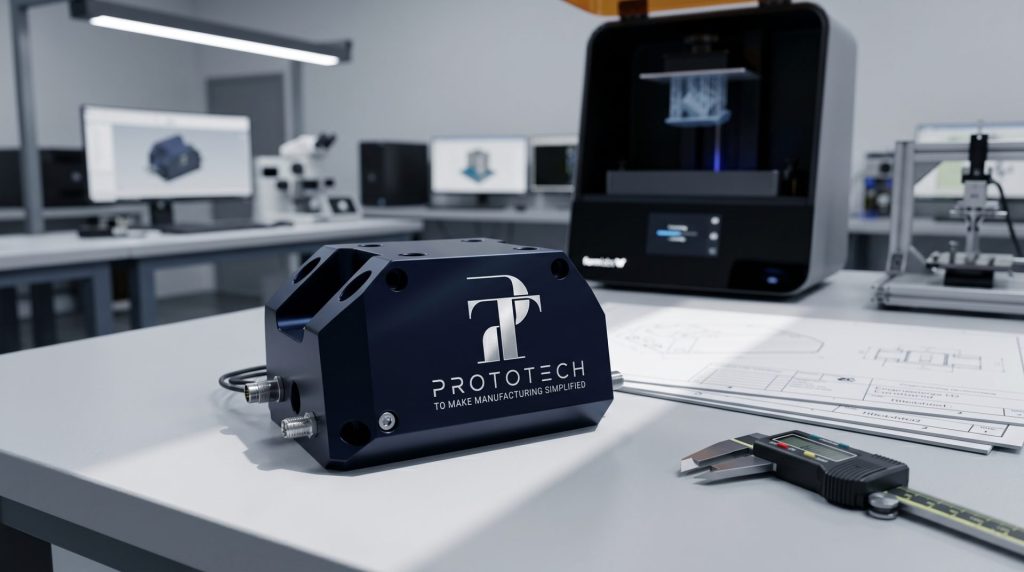
Hardware engineers face immense pressure to accelerate product development cycles continuously. Rushing into mass production without proper physical validation destroys corporate budgets instantly. You must utilize vacuum casting prototypes to secure reliable low-volume urethane parts before cutting expensive steel tools. Our advanced factory provides this crucial manufacturing bridge daily. We help ambitious B2B hardware teams validate complex product geometries safely. Traditional injection molding demands massive upfront capital investments immediately. You eliminate these extreme financial risks by deploying our intelligent silicone molding strategies. We operate a dedicated rapid manufacturing facility equipped with precise vacuum chamber technology. We process advanced polyurethane resins for global industrial clients every single week. We understand the exact material properties necessary for absolute mechanical validation success.
Unverified plastic components cost automotive and medical companies millions in catastrophic field failures annually. You prevent these disastrous engineering errors by securing functional prototypes early. We utilize premium castable urethanes to maximize structural integrity across your entire product line. Our production engineers verify every single dimensional tolerance before pouring the master silicone mold. We guarantee your delicate plastic enclosures survive intense physical drop testing flawlessly. Stop risking your engineering budget on unverified 3D prints that lack true mechanical strength. Upgrade your prototyping strategy today. Secure industry-leading surface finishes effortlessly. Master the economics of low-volume production with our comprehensive B2B manufacturing guide below.
The High Cost of Early Injection Molding
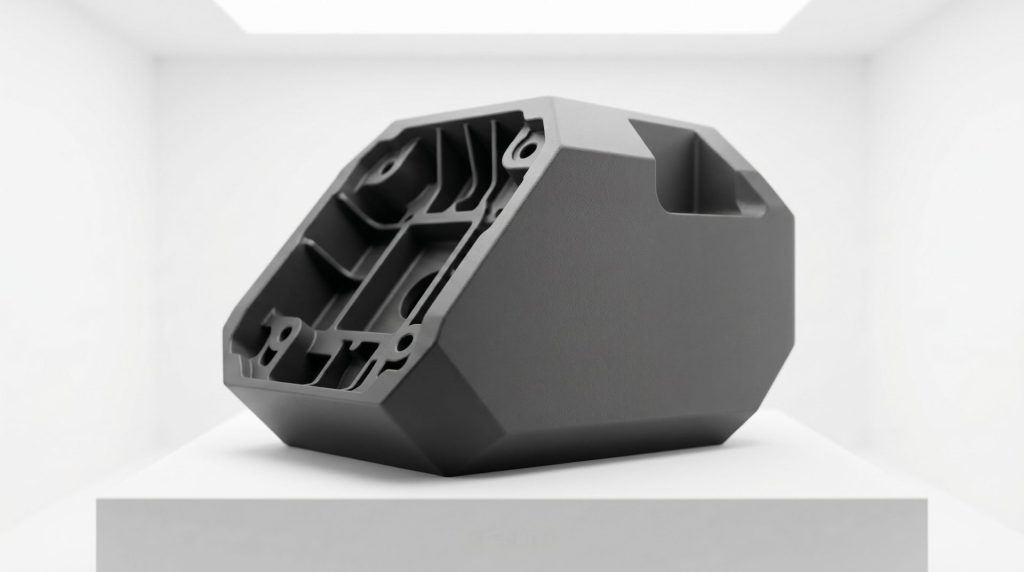
Product developers must manage project capital carefully. Hard steel tooling costs tens of thousands of dollars. Engineers lock their CAD designs permanently during this phase. You cannot change tool geometry cheaply. We recommend avoiding early commitment safely. You test physical assemblies first. We provide reliable alternative solutions.
Capital Risks of Steel Tooling
Machining P20 or H13 steel injection molds requires massive upfront capital. Small hardware startups lack this immense funding initially. Investors demand physical proof before releasing funds. We solve this financial hurdle completely. You validate your market demand first. We create inexpensive silicone molds rapidly. Your company saves crucial runway capital immediately. We protect your corporate budget efficiently. You achieve hardware validation without bankruptcy. Smart engineers minimize initial financial exposure always.
Design Iteration Constraints
Engineers discover mechanical flaws during physical testing. Modifying a hardened steel mold costs thousands. Toolmakers require weeks to implement these complex changes. You lose critical market launch time. We provide a flexible iteration pathway. Silicone molds tolerate rapid design changes. We adjust the master pattern quickly. You iterate your hardware design seamlessly. We prevent catastrophic mass production errors. Rapid iteration secures your market dominance. We support agile hardware development.
The Need for Bridge Tooling
Companies need hundreds of units for beta testing. Standard 3D printing lacks the required mechanical strength. Injection molding demands impossible volume commitments. You need an intermediate manufacturing step. We deploy bridge tooling strategies daily. Our team produces robust urethane parts fast. You supply your early adopters reliably. We bridge the gap to mass production. Your supply chain remains highly secure. You test your market viability confidently.
The Silicone Mold and Urethane Process
Furthermore, engineering a reliable low-volume production run requires an intricate, multi-step process perfectly natively. Consequently, brand managers must understand these critical fabrication stages before finalizing their prototyping budgets securely. Therefore, we deploy a systematic methodology to complete these manufacturing tasks flawlessly. Moreover, understanding these chemical operations improves your overall project timelines dramatically.
Creating the Master Pattern
Specifically, producing an accurate silicone mold requires a flawless master pattern natively. Consequently, we utilize advanced cnc machining the master pattern techniques to carve this initial model securely. Therefore, this master part dictates the final dimensional accuracy of every subsequent urethane copy completely. Furthermore, we apply meticulous surface finishing for urethane preparation to the master, ensuring absolute surface perfection securely. Moreover, polishing this pattern removes all microscopic tool marks natively. Thus, the liquid silicone captures every pristine detail flawlessly. Ultimately, superior master patterns drive massive prototyping success.
Pouring the Silicone Mold
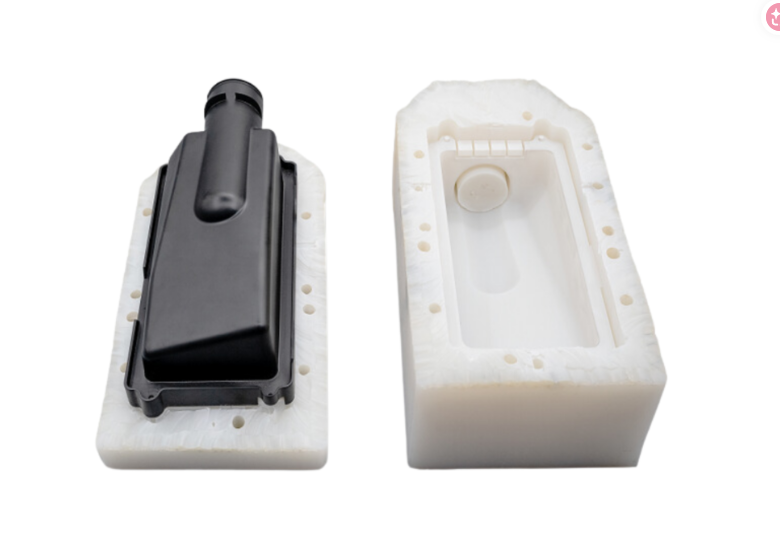
Additionally, the mold-making process demands extreme environmental control natively. Consequently, technicians suspend the finished master pattern inside a sealed casting box securely. Therefore, we pour premium liquid silicone around the suspended model carefully. Furthermore, placing this box inside a vacuum chamber removes all trapped air bubbles instantly completely. Moreover, we cure the silicone in a specialized thermal oven until it solidifies perfectly natively. Thus, cutting the cured silicone open reveals a flawless negative cavity securely. Hence, meticulous mold creation guarantees perfect resin replication globally.
Curing Polyurethane Resins
Moreover, the final casting phase requires advanced chemical mixing natively. Consequently, combining the two-part polyurethane resin initiates a rapid exothermic reaction securely. Therefore, we inject this mixed resin into the silicone mold under a strict vacuum completely. Furthermore, this vacuum environment pulls the liquid urethane into every microscopic mold crevice natively. Moreover, baking the mold accelerates the final chemical curing process flawlessly. Thus, you receive a dimensionally stable, highly durable plastic component securely. Ultimately, rigorous vacuum processing eliminates structural voids entirely.
Comparison Matrix: Prototyping Methods
Procurement directors must compare total lifecycle costs when sourcing plastic components globally. Notably, analyzing comparative manufacturing strategies optimizes long-term brand profitability heavily. The following matrix contrasts core plastic manufacturing methods to help you specify the correct process for your B2B engineering projects:
| Manufacturing Process | Initial Tooling Cost | Material Variety & Strength | Surface Finish Quality |
| Vacuum Casting (Urethane) | Low. Silicone molds cost a mere fraction of steel tools, dramatically lowering the financial barrier for startups natively. | High. Urethanes can simulate everything from ultra-soft elastomeric rubber to incredibly rigid ABS and Polycarbonate securely. | Excellent. Captures the exact surface finish of the CNC machined master pattern, including high-gloss polishes completely. |
| Injection Molding | Extreme. Requires expensive hardened steel or aluminum tooling, making it prohibitive for runs under 5,000 units natively. | Maximum. Uses actual production-grade thermoplastic pellets, ensuring absolute compliance with final mass-production specs securely. | Perfect. Offers SPI-standard polished or chemically textured finishes directly from the steel mold cavity completely. |
| 3D Printing (FDM/SLA) | Zero. Requires no physical tooling whatsoever, relying entirely on direct digital CAD data for production natively. | Moderate. Strictly limited by specific photopolymer or filament capabilities, which often lack isotropic mechanical strength securely. | Poor to Fair. Often exhibits visible layer lines and stepping artifacts requiring heavy post-processing and manual sanding completely. |
Matching Plastic Material Properties
Hardware engineers demand specific mechanical properties for functional testing natively. Visual models fail to provide accurate drop-test or thermal data securely. We utilize advanced thermosetting polyurethanes to match your exact production requirements completely. You scale your testing protocols predictably by using materials that behave like final thermoplastics. We manage the complex resin chemistry so you can focus entirely on hardware validation.
Simulating ABS and Polycarbonate
Industrial enclosures require high impact resistance and thermal stability natively. We cast rigid polyurethanes that perfectly mimic the mechanical properties of ABS and PC securely. These robust materials withstand intense structural loads and high-temperature environments completely. You receive durable housings ready for rigorous UL94-V0 flammability certification testing natively. We guarantee your prototypes behave identically to the final injection-molded products.
Creating Elastomeric/Rubber Parts
Wearable devices and automotive seals demand flexible, tear-resistant materials natively. We process specialized elastomeric resins with custom Shore A hardness ratings securely. You can specify anything from ultra-soft silicone-like gels to rigid industrial rubber overmolds completely. We cast these flexible materials directly onto rigid plastic substrates to simulate complex two-shot injection molding flawlessly.
Adding Custom Color Pigments
Visual brand identity drives consumer purchasing decisions instantly natively. Standard rapid prototypes often require expensive secondary painting operations securely. We integrate custom Pantone-matched color pigments directly into the liquid urethane resin natively. Your parts exit the silicone mold featuring a flawless, molded-in color securely. We eliminate paint chipping risks and deliver stunning, showroom-ready prototypes completely.
Frequently Asked Questions (FAQ)
1. What is the standard silicone mold lifespan natively?
We execute precise mechanical engineering flawlessly. A standard silicone mold typically yields 20 to 25 high-quality urethane casts securely. Aggressive resins or complex geometries with deep undercuts may reduce this lifespan slightly completely.
2. What are the typical urethane shrinkage rates securely?
We deploy rigorous quality assurance strictly natively. Polyurethane resins generally exhibit a minimal shrinkage rate of 0.15% to 0.25% securely. We calculate this exact factor and enlarge the master pattern digitally to compensate completely.
3. What are the maximum part dimensions for your vacuum chambers natively?
Absolutely. We execute precise mechanical engineering flawlessly. Our large-format vacuum casting systems can accommodate massive industrial components securely, processing parts up to 1000mm in length for large medical device covers completely.
4. Can you insert threaded brass inserts during the casting process securely?
We engineer scalable solutions flawlessly. Yes natively. We place CNC-machined brass inserts directly into the silicone mold before pouring the resin securely, embedding them permanently into the plastic for robust mechanical fastening completely.
5. Are vacuum-cast parts suitable for outdoor UV exposure natively?
We engineer highly scalable aesthetic solutions flawlessly. Standard urethanes will yellow under intense sunlight natively. However, we can apply UV-resistant clear coats or utilize specialized aliphatic urethanes to protect your outdoor hardware completely.
6. How long does a typical low-volume casting run take securely?
We manage global supply chains flawlessly. From machining the master pattern to pouring the final urethanes securely, a standard project of 20 to 50 parts typically requires only 10 to 15 business days natively, accelerating your R&D completely.
Conclusion
Hardware competition within the lucrative global industrial market remains incredibly fierce constantly. Managing your mechanical development poorly ruins your corporate equity instantly. You must execute your manufacturing strategy through a highly verified partner. We engineer perfect prototyping systems that guarantee absolute dimensional stability and supply chain dominance. Read more about our factory to see how we accelerate innovation. View our prototyping gallery to inspect our precision quality. We also specialize in advanced sheet metal enclosures for comprehensive product builds. For deeper insights, read our manufacturing blog. By partnering with our factory, you secure the ultimate vacuum casting prototypes securely today to begin.